
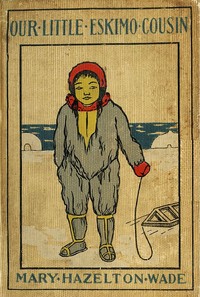
Our Little Eskimo Cousin
Written by Mary Hazelton Blanchard Wade
Chaptra reads alongside you — AI insights, chapter breakdowns and reader discussions for every book. Join free
About this book
Reading guide
Themes, characters and key ideas in Our Little Eskimo Cousin, written by Chaptra AI.
- about 8 hours
- beginner
- educational
- wholesome
- descriptive
Our Little Eskimo Cousin by Mary Hazelton Blanchard Wade is an early 20th-century children's book, part of a series designed to introduce young readers to global cultures. The narrative follows Etu, a young Inuit boy from Alaska, from his birth through his early childhood. It vividly describes his daily life, traditional customs, and the challenges and beauty of the Arctic environment, emphasizing his family's resilience and his mother's nurturing care. Through Etu's experiences, the book explores unique aspects of Inuit housing, clothing, and sustenance, alongside his development of essential skills like managing a dog team and participating in seasonal hunts. Ultimately, it offers a warm and educational portrayal of family life and adaptation in one of the world's most extreme climates.
“Nestled warmly on his mother's back, little Etu knew the vast, white world was his first cradle.”
Key themes
- Cultural Understanding and Empathy
- The primary theme of the book is to introduce young readers to the lives and customs of the Inuit people, fostering an understanding and appreciation for a culture different from their own. It aims to bridge cultural gaps by presenting daily life, traditions, and values in an accessible and respectful manner.
- Resilience and Adaptation
- This theme explores the remarkable ability of the Inuit people to not just survive but thrive in one of the world's most extreme environments. It highlights their ingenuity, resourcefulness, and deep knowledge of their surroundings, showcasing human capacity for adaptation in challenging conditions.
- Family Bonds and Community
- The book emphasizes the strong familial ties and the supportive community structure that are vital for Inuit life. It illustrates how knowledge is passed down through generations, and how mutual support and love ensure the well-being and development of individuals like Etu.
Worth discussing
How does the book's portrayal of Inuit life reflect early 20th-century perspectives on other cultures? What might be missing or simplified?
Chapter-by-chapter breakdowns, character arcs and the full thematic analysis come with a free account.
Discussions
No one has started one yet
Questions this book opens up
No discussions yet
Be the first to start a discussion about this book!
Sign up to start the discussionReviews
No reviews yet
Be the first to review this book!