
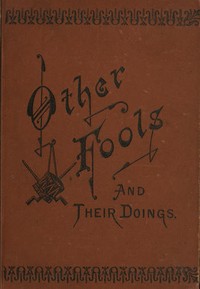
Other Fools and Their Doings, or, Life among the Freedmen
Written by H. N. K. (Harriet Newell Kneeland) Goff
Chaptra reads alongside you — AI insights, chapter breakdowns and reader discussions for every book. Join free
About this book
Reading guide
Themes, characters and key ideas in Other Fools and Their Doings, or, Life among the Freedmen, written by Chaptra AI.
- about 8 hours
- advanced
- tense
- historical
- conflict-ridden
H. N. K. Goff's "Other Fools and Their Doings, or, Life among the Freedmen" offers a late 19th-century historical account set in post-Civil War South Carolina, focusing on the tumultuous racial and political landscape during Reconstruction. The narrative centers on white Southern figures, Deacon Atwood and Captain Black, who voice deep frustrations over the newly enfranchised freedmen and 'carpetbaggers' influencing local governance. Through their discussions and actions, the book details a movement aimed at curtailing African American rights and reasserting white control over political affairs. It serves as a window into the societal conflicts, political machinations, and individual grievances that characterized this complex period in American history, challenging readers to grasp the nuanced historical context of the era.
“This land is ours by right, not theirs by mere decree. Their votes are a mockery, undermining the very foundation of our society.”
Key themes
- Racial and Political Conflict
- This theme is central to the book, exploring the deep-seated animosity and power struggles between white Southerners and newly enfranchised African Americans during Reconstruction. It highlights the clash over political control, voting rights, and societal roles in a rapidly changing South.
- Loss of White Supremacy and Power
- The book vividly portrays the psychological and social impact on white Southerners who felt their traditional power structures and social hierarchy were being dismantled. It captures their grievances and anxieties over losing control to previously subjugated populations and 'outsiders'.
- Reconstruction Era Tensions and Memory
- The entire narrative is steeped in the specific historical context of post-Civil War Reconstruction. It serves as a document reflecting the intense social, economic, and political tensions that defined this period, particularly from the perspective of white Southern resistance to federal policies and black advancement.
Worth discussing
How does Goff's portrayal of 'Life among the Freedmen' reflect the anxieties and prejudices of white Southerners during Reconstruction?
Chapter-by-chapter breakdowns, character arcs and the full thematic analysis come with a free account.
Discussions
No one has started one yet
Questions this book opens up
No discussions yet
Be the first to start a discussion about this book!
Sign up to start the discussionReviews
No reviews yet
Be the first to review this book!