
About this book
Reading guide
Themes, characters and key ideas in Oration on Charles Sumner, Addressed to Colored People, written by Chaptra AI.
- about 8 hours
- intermediate
- uplifting
- inspiring
- solemn
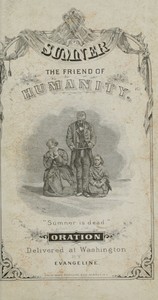
An anonymous late 19th-century oration, "Oration on Charles Sumner, Addressed to Colored People," serves as a powerful tribute to Charles Sumner, a pivotal abolitionist and civil rights advocate. Delivered to newly freed African Americans, the work meticulously recounts Sumner's unwavering commitment to liberty and justice, portraying him as a martyr who bravely confronted societal oppression. It deeply explores themes of sacrifice, moral responsibility, and the enduring struggle for equality, reflecting the complex post-slavery societal landscape. The oration aims to inspire its audience to honor Sumner's legacy by actively engaging in education, political participation, and upholding moral integrity in their continued pursuit of full civil rights, echoing with profound emotion and a fervent call to action.
“Let us never forget the towering figure of Sumner, who, like a beacon, guided us through the darkest storms of oppression.”
Key themes
- Liberty and Justice
- This is the foundational theme, central to Sumner's life work and the entire purpose of the oration. It explores the inherent right to freedom, the struggle against systemic oppression (slavery and post-emancipation discrimination), and the pursuit of equitable treatment under the law. The oration emphasizes that liberty is not merely the absence of chains but the presence of full rights and opportunities.
- Sacrifice and Martyrdom
- The oration elevates Sumner's life and work through the lens of sacrifice, portraying him as a 'martyr' for civil rights. This theme explores the idea that significant social progress often demands personal cost, suffering, and unwavering commitment, even unto death. It frames Sumner's struggles and opposition as a noble sacrifice made for the greater good, thereby imbuing the cause with profound moral weight.
- Moral Responsibility and Civic Duty
- This theme emphasizes the obligation of citizens, particularly the freed people, to actively participate in upholding justice and securing their rights. It argues that freedom comes with responsibilities—to remember those who fought for it, to continue the struggle, and to contribute to the betterment of society through education and political engagement. Sumner's life serves as the ultimate example of this civic duty.
Worth discussing
How does the anonymous nature of the author impact the message and reception of the oration?
Chapter-by-chapter breakdowns, character arcs and the full thematic analysis come with a free account.
Discussions
No one has started one yet
Questions this book opens up
No discussions yet
Be the first to start a discussion about this book!
Sign up to start the discussionReviews
No reviews yet
Be the first to review this book!