
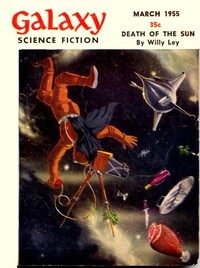
One Way
Written by Miriam Allen De Ford
Chaptra reads alongside you — AI insights, chapter breakdowns and reader discussions for every book. Join free
About this book
Reading guide
Themes, characters and key ideas in One Way, written by Chaptra AI.
- about 8 hours
- intermediate
- poignant
- bittersweet
- melancholy
Miriam Allen De Ford's "One Way" is a poignant mid-20th century science fiction novel that explores the profound emotional toll of humanity's reach for the stars. It centers on Frank and Lucy Sturt, a couple grappling with the irreversible departure of their son, Hal, who has been selected for the Lydna Project, a one-way colonization mission to the outer asteroids. The narrative intricately weaves themes of love, loss, and the bittersweet nature of sacrifice as the parents confront a future without their child, where communication will cease entirely. An unexpected visit from Hal's former girlfriend, Bet, introduces a desperate yet hopeful plan for her to carry Hal's child, offering a tangible link to his legacy on Earth. Ultimately, the novel is a deeply human story about the lengths to which individuals will go to preserve connection and legacy in the face of an uncertain and distant future.
“The silence of space was nothing compared to the silence that would fall between them.”
Key themes
- Love and Loss
- The central theme of the novel explores the profound and often painful nature of love when confronted with irreversible loss. The Sturt family's love for Hal is tested by his one-way departure, forcing them to grapple with a grief that is both universal and uniquely tied to the speculative future. The narrative delves into the various facets of love – parental, romantic, and familial – and how it endures or transforms in the face of absence.
- Sacrifice and Adaptation
- The novel examines the various forms of sacrifice demanded by human progress and personal circumstances. Hal makes a sacrifice by leaving Earth, but his parents make a profound emotional sacrifice. The most striking example of sacrifice is Bet's agreement to carry Hal's child, representing a personal and unconventional adaptation to an impossible situation, driven by empathy and a shared desire for continuity.
- Human Connection and Legacy
- At its heart, "One Way" is a deep exploration of the human need for connection and the desire to leave a legacy. With Hal's physical connection to Earth severed, his parents and Bet seek a biological and emotional link that transcends distance and time. The act of creating a child to carry on Hal's genetic line is a powerful statement about the enduring nature of human connection and the drive to perpetuate oneself, even indirectly.
Worth discussing
How does the novel explore the concept of sacrifice, both personal and generational, in the context of space colonization?
Chapter-by-chapter breakdowns, character arcs and the full thematic analysis come with a free account.
Discussions
No one has started one yet
Questions this book opens up
No discussions yet
Be the first to start a discussion about this book!
Sign up to start the discussionReviews
No reviews yet
Be the first to review this book!