
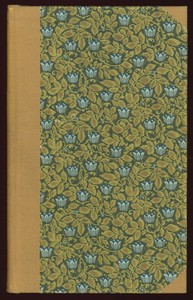
One Hundred Merrie And Delightsome Stories: Right Pleasaunte To Relate In All Goodly Companie By Way Of Joyance And Jollity
Written by Unknown author
Chaptra reads alongside you — AI insights, chapter breakdowns and reader discussions for every book. Join free
About this book
Reading guide
Themes, characters and key ideas in One Hundred Merrie And Delightsome Stories: Right Pleasaunte To Relate In All Goodly Companie By Way Of Joyance And Jollity, written by Chaptra AI.
- about 8 hours
- intermediate
- humorous
- witty
- bawdy
This collection, "One Hundred Merrie And Delightsome Stories," is an anthology of short, entertaining tales designed for social amusement and jollity. Likely originating from an earlier period, it compiles anecdotes, fables, and humorous narratives intended to be shared among company, reflecting the wit, moral sensibilities, and popular culture of its time. The stories often revolve around common human foibles, clever trickery, and ironic reversals, providing both laughter and subtle social commentary without a single overarching plot or set of recurring characters. It serves as a valuable window into historical storytelling traditions and the comedic tastes of past eras.
“"For oftentimes doth a short jest carry more truth than a long sermon."”
Key themes
- Folly and Wisdom
- This overarching theme explores the contrast between human ignorance, naiveté, and poor judgment (folly) versus shrewdness, common sense, and intellectual acumen (wisdom). Many stories feature characters who are either laughably foolish or remarkably clever, with the narrative often celebrating the triumph of wit over stupidity.
- Social Satire and Critique
- The collection frequently employs humor to subtly or overtly critique various aspects of society, including hypocrisy, greed, vanity, and corruption within different social strata (clergy, nobility, merchants). The stories often expose the gap between outward appearance and inner character, using laughter as a tool for social commentary.
- The Power of Storytelling and Wit
- Beyond the content of the stories, the collection itself celebrates the act of storytelling and the value of wit. Many narratives showcase characters who use clever words, quick thinking, or engaging tales to achieve their goals, escape predicaments, or simply entertain. The very purpose of the book—"Right Pleasaunte To Relate In All Goodly Companie"—underscores this theme.
Worth discussing
How do the stories reflect the social hierarchies and moral values of the period in which they were likely compiled?
Chapter-by-chapter breakdowns, character arcs and the full thematic analysis come with a free account.
Discussions
No one has started one yet
Questions this book opens up
No discussions yet
Be the first to start a discussion about this book!
Sign up to start the discussionReviews
No reviews yet
Be the first to review this book!