
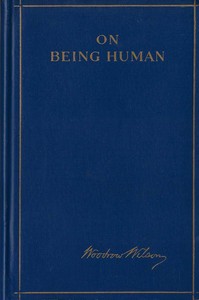
On Being Human
Written by Woodrow Wilson
Chaptra reads alongside you — AI insights, chapter breakdowns and reader discussions for every book. Join free
About this book
Reading guide
Themes, characters and key ideas in On Being Human, written by Chaptra AI.
- about 8 hours
- advanced
- Reflective
- Philosophical
- Thought-provoking
Woodrow Wilson's "On Being Human" is a late 19th-century philosophical essay that explores the intricate question of human identity amidst rapid societal transformation, particularly urbanization and the advent of modern life. Wilson posits that genuine humanity is not inherent but cultivated through meaningful interactions, a broad understanding of the world, and a deep sense of empathy. He argues for the critical balance of individual attributes like spontaneity, intelligence, and moral fortitude, advocating for an engaged and curious spirit. Ultimately, the essay serves as a powerful call for a revitalization of human connections and values to navigate the complexities of contemporary existence, urging readers to embrace a more expansive and authentic human spirit.
“"True humanity is not a given state, but a cultivated art, refined through genuine interaction and broad understanding."”
Key themes
- Individual Identity and Genuineness
- Wilson emphasizes the critical importance of cultivating an authentic self in a world that risks promoting conformity or superficiality. He argues that genuine identity is rooted in a balance of spontaneity, intelligence, and a strong moral compass, and that true humanity requires a deep sense of self-awareness and integrity.
- The Evolving Nature of Humanity
- This theme explores how the definition and experience of being human are not static but are profoundly shaped by societal changes, particularly urbanization and the demands of modern life. Wilson contemplates whether humanity is being lost or transformed and how individuals can consciously adapt while retaining core values.
- Empathy and Community
- A core tenet of Wilson's philosophy in this essay is that true humanity is intrinsically linked to our capacity for empathy and our engagement in cooperative community. He posits that genuine interaction and a broader understanding of others are essential antidotes to the isolation and atomization often brought by modern life, advocating for a societal structure built on mutual understanding and support.
Worth discussing
How do Wilson's observations about urbanization and modern life in the late 19th century still resonate with today's digital age and globalized society?
Chapter-by-chapter breakdowns, character arcs and the full thematic analysis come with a free account.
Discussions
No one has started one yet
Questions this book opens up
No discussions yet
Be the first to start a discussion about this book!
Sign up to start the discussionReviews
No reviews yet
Be the first to review this book!