
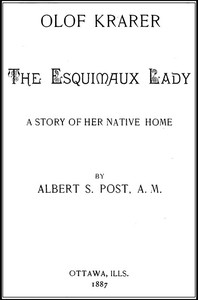
Olof Krarer, the Esquimaux Lady: A Story of Her Native Home
Written by Olof Krarer
Chaptra reads alongside you — AI insights, chapter breakdowns and reader discussions for every book. Join free
About this book
Reading guide
Themes, characters and key ideas in Olof Krarer, the Esquimaux Lady: A Story of Her Native Home, written by Chaptra AI.
- about 8 hours
- intermediate
- reflective
- resilient
- informative
Olof Krarer, the Esquimaux Lady: A Story of Her Native Home is a late 19th-century autobiographical account by Olof Krarer, an Eskimo woman from Greenland. The book offers a vivid depiction of her early life, cultural practices, and the profound challenges faced by her family in the harsh Arctic environment. It chronicles her journey from living in snow houses in Greenland, through her relocation to Iceland, and ultimately to Manitoba, highlighting her adaptation to vastly different cultures. Krarer's narrative serves as both a personal testament to resilience and a valuable cultural exposition, detailing survival, communal living, and societal customs against a backdrop of unforgiving yet beautiful landscapes. Through her experiences, the work explores themes of identity, warmth, and the contrasts between her native upbringing and the societies she later encountered.
“The snow house, though humble, was a fortress against the Arctic's fury, a testament to our ingenuity and spirit.”
Key themes
- Survival and Resilience
- This theme is central to Krarer's narrative, detailing the harsh realities of life in the Arctic and the ingenuity required to survive. It encompasses not only physical survival against extreme weather and scarcity but also the psychological resilience needed to adapt to new environments and overcome personal challenges during her relocations.
- Cultural Identity and Adaptation
- Krarer's story is a profound exploration of what it means to belong and how one's identity is shaped by culture and environment. The theme focuses on the contrasts between her native Eskimo upbringing and the cultures she encounters, highlighting the process of adaptation while retaining core aspects of her heritage.
- The Harshness and Beauty of Nature
- The Arctic landscape is almost a character itself, simultaneously presenting life-threatening challenges and breathtaking beauty. This theme explores humanity's relationship with nature, emphasizing respect, dependence, and the deep spiritual connection indigenous peoples often have with their environment.
Worth discussing
How does Olof Krarer's narrative challenge or reinforce typical 19th-century perceptions of indigenous peoples?
Chapter-by-chapter breakdowns, character arcs and the full thematic analysis come with a free account.
Discussions
No one has started one yet
Questions this book opens up
No discussions yet
Be the first to start a discussion about this book!
Sign up to start the discussionReviews
No reviews yet
Be the first to review this book!