
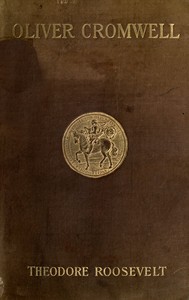
Oliver Cromwell
Written by Theodore Roosevelt
Chaptra reads alongside you — AI insights, chapter breakdowns and reader discussions for every book. Join free
About this book
Reading guide
Themes, characters and key ideas in Oliver Cromwell, written by Chaptra AI.
- about 10 hours
- intermediate
- historical
- analytical
- serious
Theodore Roosevelt's "Oliver Cromwell" offers a late 19th-century historical examination of Oliver Cromwell, a towering figure of the English Civil War and the Commonwealth. Roosevelt delves into Cromwell's complex character, his pivotal role in shaping modern English governance, and the tumultuous political, social, and religious landscape of 17th-century England. The book notably addresses the fluctuating historical perceptions of Cromwell, from initial condemnation to later reassessment, particularly influenced by Thomas Carlyle's work. Roosevelt portrays Cromwell as a formidable soldier and statesman, navigating the profound tensions between revolutionary ideals and the enduring monarchical structure, thereby exploring themes of religious freedom, political rights, and the nature of leadership.
“Cromwell was not a revolutionist in the sense that he desired to overturn the existing order merely for the sake of change. He was a conservative who became a revolutionist only when convinced that no other course was open to preserve the fundamental liberties of Englishmen.”
Key themes
- Leadership and Power
- Roosevelt deeply explores the nature of leadership, particularly in times of crisis. He examines Cromwell's exercise of power, his justifications for it, and the moral dilemmas inherent in wielding absolute authority to achieve a greater good. The theme questions what makes a 'great' leader and whether revolutionary power can ever be truly just or democratic.
- Religious Freedom and Conviction
- The book highlights the profound role of religious belief in driving the English Civil War and shaping Cromwell's actions. It explores the Puritan desire for religious freedom, Cromwell's own deep piety, and the tension between seeking liberty of conscience and imposing a particular religious order. Roosevelt examines how religious zeal can fuel both revolutionary fervor and intolerance.
- Revolution and Governance
- Roosevelt analyzes the difficult transition from a monarchical system to a revolutionary government and then to the Protectorate. The theme explores the challenges of creating a new political order, the inherent instability of revolutionary periods, and the struggle to balance radical change with the need for stability and effective administration. It questions whether a truly 'just' or 'free' government can emerge from civil war.
Worth discussing
How does Roosevelt's background as a statesman influence his portrayal of Oliver Cromwell? Is this a strength or a weakness?
Chapter-by-chapter breakdowns, character arcs and the full thematic analysis come with a free account.
Discussions
No one has started one yet
Questions this book opens up
No discussions yet
Be the first to start a discussion about this book!
Sign up to start the discussionReviews
No reviews yet
Be the first to review this book!