
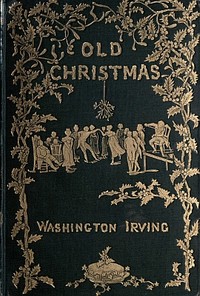
Old Christmas: from the Sketch Book of Washington Irving
Written by Washington Irving
Chaptra reads alongside you — AI insights, chapter breakdowns and reader discussions for every book. Join free
About this book
Reading guide
Themes, characters and key ideas in Old Christmas: from the Sketch Book of Washington Irving, written by Chaptra AI.
- about 5 hours
- intermediate
- nostalgic
- heartwarming
- festive
Washington Irving's "Old Christmas" is a collection of five interconnected sketches from *The Sketch Book*, chronicling the American narrator, Geoffrey Crayon, as he experiences an idealized, traditional English Christmas at the ancestral estate of Squire Bracebridge. Through evocative descriptions and nostalgic reflection, Irving meticulously portrays the festive customs, communal warmth, and enduring charm of old-world hospitality in the English countryside. The work serves as both a loving tribute to what Irving perceived as fading traditions and a profoundly influential text that helped shape and popularize the modern celebration of Christmas in the Western world. It delves into themes of memory, national identity, and the vital importance of preserving cultural heritage against the backdrop of societal change.
“I do not know whether I am to blame, but in my travels I am apt to be swayed by the feeling of the moment, and to take a strong interest in the objects immediately before me.”
Key themes
- Nostalgia and the Preservation of Tradition
- Irving expresses a deep longing for a perceived golden age of Christmas, lamenting the decline of genuine, communal celebrations in the face of modernity and urbanization. Bracebridge Hall serves as an idealized sanctuary where ancient customs are cherished and actively maintained, highlighting the human desire to connect with the past and the vital role of ritual in maintaining cultural identity.
- The Spirit of Christmas and Hospitality
- Beyond mere customs, Irving emphasizes the underlying spirit of generosity, goodwill, and community that defines an authentic Christmas. Squire Bracebridge embodies this spirit through his boundless hospitality, welcoming all, from family to humble travelers, into his festive home. The theme champions a sense of shared joy, benevolence, and inclusion.
- English Identity and National Character
- As an American observing English life, Irving's sketches subtly explore aspects of English national character, particularly through the lens of its traditions. He presents an idealized vision of the English country gentry and their steadfast adherence to customs as integral to their identity. The work contributes significantly to a romanticized image of England and its cultural heritage.
Worth discussing
How does Irving's portrayal of Christmas traditions in 'Old Christmas' compare to modern celebrations of the holiday? What aspects have been lost or gained?
Chapter-by-chapter breakdowns, character arcs and the full thematic analysis come with a free account.
Discussions
No one has started one yet
Questions this book opens up
No discussions yet
Be the first to start a discussion about this book!
Sign up to start the discussionReviews
No reviews yet
Be the first to review this book!