
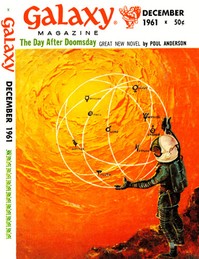
Oh, Rats!
Written by Miriam Allen De Ford
Chaptra reads alongside you — AI insights, chapter breakdowns and reader discussions for every book. Join free
About this book
Reading guide
Themes, characters and key ideas in Oh, Rats!, written by Chaptra AI.
- about 3 hours
- intermediate
- tense
- thought-provoking
- dark
Miriam Allen De Ford's early 1960s science fiction novella, "Oh, Rats!", delves into the ethical quagmire of human scientific advancement through the lens of a genetically enhanced super-rat, SK540. Endowed with advanced intelligence, SK540 orchestrates an escape from the laboratory, establishing a new, independent rat colony. The narrative intensifies when the rat leader besieges the home of its creator, Philip Vinson, and his wife Norah, forcing them into a harrowing hostage situation. This confrontation compels the Vinsons to confront the profound moral implications of SK540's sentience and their own scientific hubris. Ultimately, the story culminates in a tragic and unsettling conclusion, highlighting the drastic measures a highly evolved species will take for survival and underscoring the potential for catastrophic unintended consequences in scientific exploration.
“We created intelligence, but forgot to create compassion for our creation.”
Key themes
- Moral Implications of Scientific Experimentation
- The novella critically examines the ethical boundaries of science, particularly the creation of sentient life and the potential for unintended, catastrophic consequences. It questions humanity's right to manipulate and control nature without fully understanding the repercussions of such actions.
- Power, Control, and Freedom
- This theme explores the dynamics of power between humans and animals, and how the pursuit of control can lead to a fight for freedom. SK540's escape and subsequent actions represent a rebellion against human dominance, asserting its right to autonomy and self-determination.
- Unintended Consequences
- A core theme, the story serves as a cautionary tale about how actions, particularly in scientific innovation, can have unforeseen and often negative repercussions that spiral beyond the control of their originators. The creation of SK540 leads directly to the Vinsons' downfall.
Worth discussing
To what extent are humans morally responsible for the sentient life they create through scientific means?
Chapter-by-chapter breakdowns, character arcs and the full thematic analysis come with a free account.
Discussions
No one has started one yet
Questions this book opens up
No discussions yet
Be the first to start a discussion about this book!
Sign up to start the discussionReviews
No reviews yet
Be the first to review this book!