
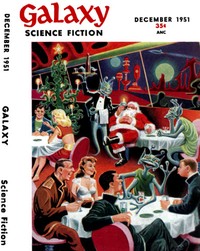
Not a Creature Was Stirring
Written by Dean Evans
Chaptra reads alongside you — AI insights, chapter breakdowns and reader discussions for every book. Join free
About this book
Reading guide
Themes, characters and key ideas in Not a Creature Was Stirring, written by Chaptra AI.
- about 8 hours
- intermediate
- Desolate
- Somber
- Haunting
Dean Evans' 1950s short story, "Not a Creature Was Stirring," plunges readers into a stark post-apocalyptic world blanketed in eerie purple snow, the devastating legacy of nuclear war. It follows Tom Gannett, a reclusive gold miner emerging from his Nevada solitude to discover he is the sole survivor of humanity's self-inflicted annihilation. As Gannett navigates deserted towns filled with lifeless forms, he grapples with disbelief and a profound sense of loss. The narrative explores themes of ultimate isolation, human destructiveness, and a raw, gritty struggle for survival in a silent, haunting landscape, reflecting Cold War anxieties.
“The silence was not merely an absence of sound; it was a presence, heavy and absolute.”
Key themes
- Isolation and Solitude
- This theme is central to the narrative, evolving from Tom Gannett's initial self-imposed solitude as a gold miner to the terrifying, absolute isolation he experiences as the last human survivor. The story explores the psychological impact of being utterly alone, grappling with the absence of all human connection and the weight of being the sole witness to humanity's end. It contrasts chosen solitude with forced, existential aloneness.
- Aftermath of Nuclear War / Human Destructiveness
- The story is a direct commentary on the devastating consequences of human conflict, specifically nuclear warfare. Published during the early Cold War, it serves as a stark cautionary tale, illustrating the ultimate price of humanity's destructive capabilities. It portrays a world irrevocably altered, not just physically but existentially, by mankind's own hand.
- Loss and Despair
- The story is saturated with a profound sense of loss – the loss of humanity, society, purpose, and future. This leads to an overwhelming despair that colors Gannett's entire experience. It's not just a physical loss but an existential one, as the very meaning of existence is stripped away when there is no one left to share it with.
Worth discussing
How does Tom Gannett's initial self-imposed solitude prepare or hinder him for his ultimate, forced isolation?
Chapter-by-chapter breakdowns, character arcs and the full thematic analysis come with a free account.
Discussions
No one has started one yet
Questions this book opens up
No discussions yet
Be the first to start a discussion about this book!
Sign up to start the discussionReviews
No reviews yet
Be the first to review this book!