
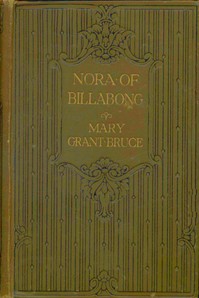
Norah of Billabong
Written by Mary Grant Bruce
Chaptra reads alongside you — AI insights, chapter breakdowns and reader discussions for every book. Join free
About this book
Reading guide
Themes, characters and key ideas in Norah of Billabong, written by Chaptra AI.
- about 8 hours
- intermediate
- uplifting
- adventurous
- nostalgic
Mary Grant Bruce's "Norah of Billabong" introduces readers to Norah Linton, a spirited fifteen-year-old returning to her beloved Billabong Station after a stint at boarding school. The novel beautifully captures her excitement for home and the challenges of readapting to rural Australian life after the structured environment of Beresford House. Through a blend of family warmth, bush adventures, and Norah's lively personality, the story paints a vivid picture of early 20th-century Australian countryside. It explores themes of home, belonging, and the joys and trials of growing up amidst the unique landscape and close-knit community of a large sheep station.
“"There's no place like Billabong, not really, not anywhere else in the world!"”
Key themes
- The Call of Home and Country
- This theme is central, exploring Norah's deep, almost spiritual connection to Billabong Station and the Australian bush. It contrasts the structured, somewhat artificial environment of boarding school with the freedom, authenticity, and belonging found in her rural home. The narrative emphasizes the unique sense of identity and peace Norah derives from her homeland.
- Coming of Age and Independence
- Norah, at fifteen, is on the cusp of adulthood. The novel explores her transition from a schoolgirl to a young woman, highlighting her growing independence, resourcefulness, and the development of her character through challenges and responsibilities at Billabong. Her experiences in the bush foster self-reliance and confidence.
- Family Bonds and Community
- The Linton family is portrayed as a loving, supportive, and close-knit unit. The novel emphasizes the strength of these familial ties and the sense of security and belonging they provide Norah. The broader community of station hands and neighbors also contributes to the rich social fabric of Billabong.
Worth discussing
How does Norah's experience at boarding school contrast with her life at Billabong? What are the advantages and disadvantages of each?
Chapter-by-chapter breakdowns, character arcs and the full thematic analysis come with a free account.
Discussions
No one has started one yet
Questions this book opens up
No discussions yet
Be the first to start a discussion about this book!
Sign up to start the discussionReviews
No reviews yet
Be the first to review this book!