
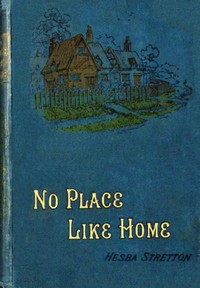
"No place like home"
Written by Hesba Stretton
Chaptra reads alongside you — AI insights, chapter breakdowns and reader discussions for every book. Join free
About this book
Reading guide
Themes, characters and key ideas in "No place like home", written by Chaptra AI.
- about 8 hours
- intermediate
- Somber
- Hopeful
- Resilient
Hesba Stretton's "No Place Like Home" is a poignant late 19th-century novel set in rural England, exploring the profound bond between a mother, Ruth Medway, and her youngest son, Ishmael. Faced with grinding poverty and societal judgment, they strive to maintain their humble home and hope for a better future. The narrative intensifies when Ishmael is imprisoned for a minor transgression, leaving Ruth to battle loneliness and declining health. Ultimately, the story underscores themes of sacrifice, forgiveness, and the enduring power of familial love, revealing that true 'home' transcends physical dwelling, residing instead in the heart and spirit amidst life's trials.
“"A home is not made of bricks and mortar, but of love and patience, and the willing hearts that dwell within."”
Key themes
- Home and Belonging
- This is the central theme, explored through both the physical dwelling and the emotional/spiritual sense of belonging. Initially, home is a dilapidated hut Ruth struggles to maintain, symbolizing their precarious existence. Over time, it evolves to represent the love and security found within the mother-son bond, independent of material conditions. The novel argues that true home is a state of heart and spirit, built on love, forgiveness, and hope.
- Hardship and Poverty
- The novel vividly portrays the grinding realities of late 19th-century rural poverty, its impact on individuals and families, and the societal judgment often associated with it. It highlights how poverty can lead to desperate acts and how the justice system often disproportionately affects the poor.
- Familial Love and Sacrifice
- The unbreakable bond between Ruth and Ishmael forms the emotional core of the novel. It explores the depths of a mother's selfless love and the son's eventual realization and reciprocation of that love through acts of sacrifice and devotion.
Worth discussing
How does the novel define 'home,' and how does this definition evolve for Ruth and Ishmael?
Chapter-by-chapter breakdowns, character arcs and the full thematic analysis come with a free account.
Discussions
No one has started one yet
Questions this book opens up
No discussions yet
Be the first to start a discussion about this book!
Sign up to start the discussionReviews
No reviews yet
Be the first to review this book!