
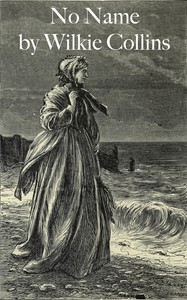
No Name
Written by Wilkie Collins
Chaptra reads alongside you — AI insights, chapter breakdowns and reader discussions for every book. Join free
About this book
Reading guide
Themes, characters and key ideas in No Name, written by Chaptra AI.
- about 15 hours
- intermediate
- mysterious
- dramatic
- suspenseful
Wilkie Collins's "No Name" masterfully explores themes of identity, social injustice, and the plight of women in Victorian England through the dramatic saga of the Vanstone sisters. After the sudden death of their parents reveals a legal technicality rendering them illegitimate and disinherited, the vibrant Magdalen Vanstone embarks on a desperate and morally ambiguous quest to reclaim her family's fortune. Her journey involves elaborate deceptions, theatrical performances, and a calculated marriage, while her reserved sister Norah navigates her own path with quiet resilience. The novel intricately weaves together suspense, social commentary, and psychological depth, exposing the rigid societal norms and legal loopholes that could devastate lives.
“"A man's life is of more value than a man's money. It is better that the money should be lost than that the man should be killed."”
Key themes
- Identity and Social Status
- The theme of identity is central, explored primarily through Magdalen's loss of her 'name' and legitimate status. Her illegitimacy strips her of her social standing, inheritance, and even her sense of self, forcing her to adopt new identities and use deception to navigate a society that has rejected her. The novel questions how much of one's identity is tied to legal status, family name, and societal recognition.
- Justice vs. Law
- Collins meticulously highlights the disparity between what is legally permissible and what is morally just. The Vanstone sisters are disinherited due to a legal technicality, not a moral failing. This drives Magdalen to seek a form of 'justice' outside the bounds of the law, employing deceit and manipulation to reclaim what she believes is rightfully hers. The novel prompts readers to question the fairness of legal systems and the lengths one might go to when conventional avenues for redress are denied.
- The Role of Women in Victorian Society
- The novel serves as a powerful commentary on the limited options and precarious position of women in 19th-century England, especially those without male protection or independent wealth. Magdalen and Norah's vulnerability after disinheritance underscores how a woman's status, identity, and economic security were overwhelmingly tied to marriage and male relatives. Magdalen's defiance and proactive pursuit of her rights, even through unconventional means, reflect a challenge to these restrictive norms.
Worth discussing
How does Collins use Magdalen's theatrical talents to explore themes of identity and deception?
Chapter-by-chapter breakdowns, character arcs and the full thematic analysis come with a free account.
Discussions
No one has started one yet
Questions this book opens up
No discussions yet
Be the first to start a discussion about this book!
Sign up to start the discussionReviews
No reviews yet
Be the first to review this book!