
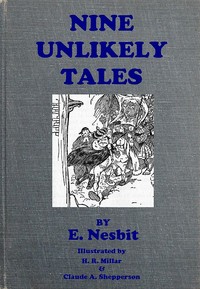
Nine Unlikely Tales
Written by E. (Edith) Nesbit
Chaptra reads alongside you — AI insights, chapter breakdowns and reader discussions for every book. Join free
About this book
Reading guide
Themes, characters and key ideas in Nine Unlikely Tales, written by Chaptra AI.
- about 7 hours
- intermediate
- whimsical
- humorous
- imaginative
E. Nesbit's "Nine Unlikely Tales" is a delightful collection of late 19th-century whimsical short stories that masterfully blend humor, fantasy, and a subtle critique of societal conventions. The book opens with the memorable tale of Matilda, a spirited young girl who, through a stroke of unexpected destiny, is diverted from a dreary visit to her Great-aunt Willoughby. Instead, she finds herself in a charmingly peculiar village, a setting where the absurd is commonplace and imagination reigns supreme. Guided by the mischievous Cockatoucan, Matilda navigates a world where her strict nursemaid, Pridmore, is comically transformed, challenging the boundaries of reality and the predictability of life. This collection stands as a testament to Nesbit's genius in crafting narratives that champion childhood wonder and defiance against the mundane.
“One must always be clean, Pridmore insisted, even if one was going to be terribly, terribly bored.”
Key themes
- Imagination vs. Reality
- This theme explores the fluid boundary between a child's vivid imagination and the perceived 'reality' of the adult world. Nesbit suggests that imagination is not merely escapism but a powerful force that can reshape perception and even influence events, making the impossible seem plausible and delightful. The stories celebrate the richness of an inner world that defies logical constraints.
- Defiance of Conventionality and Adult Authority
- Nesbit subtly critiques the rigid social norms and the often-unreasonable authority of adults in Victorian society. Through Matilda's quiet rebellion and the comical disruption of Pridmore's strictures, the book champions a more flexible, open-minded approach to life. It suggests that strict adherence to rules can stifle joy and wonder.
- The Absurd and Nonsense
- The collection revels in the joy of the absurd, presenting situations and characters that defy logic and reason for comedic and imaginative effect. This theme explores the liberating power of nonsense, suggesting that life doesn't always need to make perfect sense to be enjoyable or meaningful. It's a celebration of whimsical illogic.
Worth discussing
How does Nesbit use humor and absurdity to critique societal norms in the late 19th century?
Chapter-by-chapter breakdowns, character arcs and the full thematic analysis come with a free account.
Discussions
No one has started one yet
Questions this book opens up
No discussions yet
Be the first to start a discussion about this book!
Sign up to start the discussionReviews
No reviews yet
Be the first to review this book!