
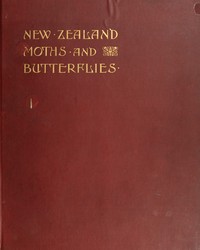
New Zealand Moths and Butterflies (Macro-Lepidoptera)
Written by G. V. (George Vernon) Hudson
Chaptra reads alongside you — AI insights, chapter breakdowns and reader discussions for every book. Join free
About this book
Reading guide
Themes, characters and key ideas in New Zealand Moths and Butterflies (Macro-Lepidoptera), written by Chaptra AI.
- about 20 hours
- advanced
- informative
- systematic
- observational
G. V. Hudson's "New Zealand Moths and Butterflies (Macro-Lepidoptera)" is a seminal late 19th-century scientific guide dedicated to the larger Lepidoptera species native to New Zealand. It comprehensively documents the structure, life cycles, and classification of these insects, serving as an invaluable reference for both amateur collectors and serious students of entomology. The work integrates contemporary Darwinian evolutionary theories into its discussion of species diversity and origins, underscoring the scientific importance of detailed observation. Hudson's preface articulates his intent to foster a deeper appreciation for nature's intricacies, laying the groundwork for meticulous chapters on various moth and butterfly groups.
“The joy found in observing nature and the intricacies of insect life is profound.”
Key themes
- Scientific Observation and Classification
- The book is fundamentally built upon the meticulous observation and systematic classification of insect species. Hudson emphasizes the importance of detailed study of structure, life cycles, and geographical distribution as the bedrock of scientific understanding. This theme reflects the core activity of naturalists in the 19th century.
- Biodiversity and Endemism
- Hudson's work highlights the rich and unique biodiversity of New Zealand's Lepidoptera, many of which are endemic. By focusing exclusively on native species, the book underscores the distinctiveness of the region's fauna and the importance of documenting it.
- Evolutionary Theory and Species Origin
- Written in the late 19th century, the book explicitly engages with Darwinian theories, applying them to the diversity and transformations observed in Lepidoptera. This demonstrates the contemporary scientific effort to integrate new evolutionary paradigms into specific biological studies.
Worth discussing
How does Hudson's work exemplify the scientific methodologies and priorities of late 19th-century natural history?
Chapter-by-chapter breakdowns, character arcs and the full thematic analysis come with a free account.
Discussions
No one has started one yet
Questions this book opens up
No discussions yet
Be the first to start a discussion about this book!
Sign up to start the discussionReviews
No reviews yet
Be the first to review this book!