
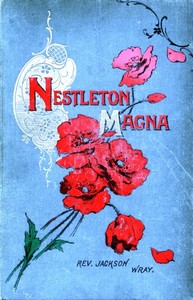
Nestleton Magna: A Story of Yorkshire Methodism
Written by J. Jackson (James Jackson) Wray
Chaptra reads alongside you — AI insights, chapter breakdowns and reader discussions for every book. Join free
About this book
Reading guide
Themes, characters and key ideas in Nestleton Magna: A Story of Yorkshire Methodism, written by Chaptra AI.
- about 9 hours
- intermediate
- uplifting
- pastoral
- reflective
J. Jackson Wray's "Nestleton Magna" offers a charming and reflective portrayal of late 19th-century village life in the East Riding of Yorkshire, deeply intertwined with the tenets of Methodism. The novel centers on the idyllic community of Nestleton, introducing key figures like the jovial blacksmith Nathan Blyth and his beloved daughter Lucy, whose lives embody the era's social and spiritual fabric. Through their experiences, the narrative explores themes of enduring faith, the complexities of human relationships, and the strength of community bonds amidst personal trials and societal expectations. It serves as both a pastoral romance and a testament to the moral and social influence of Methodism in rural England.
“"In Nestleton Magna, the very stones whispered tales of faith and the enduring spirit of the dalesfolk."”
Key themes
- Faith and Piety
- The central theme, exploring the profound influence of Methodism on individual lives, moral choices, and community cohesion in Nestleton Magna. It delves into the nature of personal devotion, the practice of Christian virtues, and the role of the church as a spiritual and social anchor.
- Community and Belonging
- This theme examines the intricate web of relationships that define village life, emphasizing the importance of mutual support, shared values, and a strong sense of collective identity. It highlights how individuals contribute to and are sustained by their community.
- Love and Marriage
- Explores the romantic aspirations and dilemmas, particularly through Lucy Blyth's experiences with local suitors. This theme delves into the societal expectations surrounding courtship and marriage in the Victorian era, and how personal affection intertwines with moral considerations and family approval.
Worth discussing
How does Nestleton Magna portray the balance between individual desire and community expectations, particularly in Lucy's story?
Chapter-by-chapter breakdowns, character arcs and the full thematic analysis come with a free account.
Discussions
No one has started one yet
Questions this book opens up
No discussions yet
Be the first to start a discussion about this book!
Sign up to start the discussionReviews
No reviews yet
Be the first to review this book!