
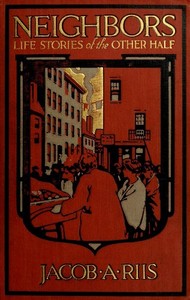
Neighbors: Life Stories of the Other Half
Written by Jacob A. (Jacob August) Riis
Chaptra reads alongside you — AI insights, chapter breakdowns and reader discussions for every book. Join free
About this book
Reading guide
Themes, characters and key ideas in Neighbors: Life Stories of the Other Half, written by Chaptra AI.
- about 10 hours
- intermediate
- somber
- empathetic
- realistic
Jacob A. Riis's "Neighbors: Life Stories of the Other Half" is a poignant collection of narratives that illuminates the harsh realities of impoverished individuals in early 20th-century America. Through a series of heart-wrenching, true stories, Riis exposes the profound struggles, financial pressures, and tragic fates that often befell those seeking a better life in the tenements. The book aims to bridge the gap between social classes by humanizing the marginalized, showcasing the common humanity shared by all. Ultimately, Riis critiques systemic injustices while celebrating the resilience, familial love, and enduring spirit of those living amidst despair.
“The dream of America, so bright in the old country, often turned to a shadow in the alleys of the city.”
Key themes
- Poverty and Hardship
- This is the central theme, explored through vivid and unflinching descriptions of the squalid living conditions, lack of sanitation, rampant disease, chronic hunger, and the constant, grueling struggle for basic survival. Riis meticulously details how poverty strips individuals of their dignity, hope, and often, their lives.
- The American Dream (and its disillusionment)
- Many characters, particularly immigrants, arrive in America with fervent hopes of prosperity, opportunity, and a better life, only to find themselves trapped in a seemingly inescapable cycle of poverty, exploitation, and despair. Riis exposes the harsh reality that the 'dream' was often a cruel illusion for the 'other half,' highlighting the gap between promise and reality.
- Social Injustice and Inequality
- Riis implicitly and explicitly critiques the societal structures, policies, and widespread indifference that perpetuate poverty and create a vast chasm between the wealthy and the poor. He argues for systemic change, highlighting how the suffering of the poor is not merely individual failure but a consequence of societal neglect and injustice.
Worth discussing
How does Riis's use of individual stories contribute to his broader argument about social injustice, compared to a purely statistical approach?
Chapter-by-chapter breakdowns, character arcs and the full thematic analysis come with a free account.
Discussions
No one has started one yet
Questions this book opens up
No discussions yet
Be the first to start a discussion about this book!
Sign up to start the discussionReviews
No reviews yet
Be the first to review this book!