
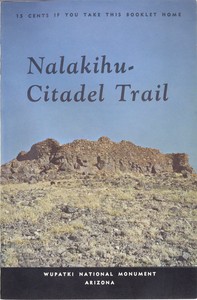
Nalakihu-Citadel Trail, Wupatki National Monument, Arizona
Written by Southwest Parks and Monuments Association
Chaptra reads alongside you — AI insights, chapter breakdowns and reader discussions for every book. Join free
About this book
Reading guide
Themes, characters and key ideas in Nalakihu-Citadel Trail, Wupatki National Monument, Arizona, written by Chaptra AI.
- about 2 hours
- intermediate
- informative
- historical
- educational
This publication serves as an interpretive guide to the Nalakihu-Citadel Trail within Wupatki National Monument, Arizona, offering visitors a comprehensive understanding of its rich archaeological and natural significance. It meticulously details the ancient Sinagua pueblos of Nalakihu and Citadel, providing historical context, architectural insights, and descriptions of the daily lives of their inhabitants. The guide integrates archaeological findings with geological and ecological information, fostering a deeper appreciation for the unique cultural heritage and the forces of nature that shaped this high-desert landscape. It acts as an essential companion for those exploring the trail, enhancing their connection to a past civilization and the enduring environment.
“These ancient structures are irreplaceable testaments to human ingenuity and adaptation.”
Key themes
- Cultural Heritage and Preservation
- The guide implicitly and explicitly emphasizes the profound importance of preserving the archaeological remnants of the Sinagua people. It highlights the fragility of these ancient sites, explaining the ongoing efforts to protect them from natural decay, environmental factors, and human impact. This theme encourages visitors to respect the past, understand the significance of cultural heritage, and recognize their own role in its safeguarding for future generations.
- Human Adaptation and Resilience
- The publication powerfully showcases how the Sinagua people adapted to a challenging arid environment and even leveraged natural disasters, such as the Sunset Crater eruption, for agricultural benefit (the volcanic ash enriching the soil). It explores their remarkable resourcefulness in building complex, sustainable communities and developing sophisticated practices to thrive in a seemingly harsh landscape, demonstrating the enduring human capacity for innovation and perseverance.
- The Interconnectedness of Nature and Culture
- The guide consistently links the human history of Wupatki with its natural environment, presenting them as inseparable elements of a single narrative. It meticulously explains how geological events (like volcanic eruptions), climate patterns, and available natural resources (water, stone, arable land) profoundly shaped the Sinagua way of life, their settlement patterns, and ultimately, their mysterious departure. This theme illustrates that human culture is not isolated but deeply embedded within and dependent upon its ecological context.
Worth discussing
What responsibilities do modern societies have in preserving ancient archaeological sites like Nalakihu and Citadel for future generations?
Chapter-by-chapter breakdowns, character arcs and the full thematic analysis come with a free account.
Discussions
No one has started one yet
Questions this book opens up
No discussions yet
Be the first to start a discussion about this book!
Sign up to start the discussionReviews
No reviews yet
Be the first to review this book!