
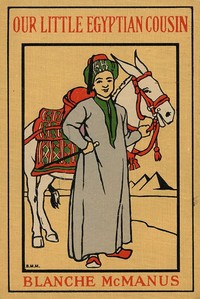
Nabul, Our Little Egyptian Cousin
Written by Blanche McManus
Chaptra reads alongside you — AI insights, chapter breakdowns and reader discussions for every book. Join free
About this book
Reading guide
Themes, characters and key ideas in Nabul, Our Little Egyptian Cousin, written by Chaptra AI.
- about 8 hours
- intermediate
- Vibrant
- Curious
- Charming
Blanche McManus's "Nabul, Our Little Egyptian Cousin" is an early 20th-century children's novel that introduces readers to the vibrant daily life of Nabul Ben Hassan, a young donkey boy in bustling Cairo. The story chronicles Nabul's interactions with tourists, particularly anticipating American visitors, and his vivid dreams of adventures beyond his familiar surroundings, fueled by travelers' tales and letters from his uncle in America. Through Nabul's energetic and playful character, the book offers a charming glimpse into Egyptian culture and society from a child's perspective, emphasizing themes of curiosity, cultural exchange, and the universal nature of childhood aspirations. The narrative captures both the innocence of youth and the rich tapestry of early 20th-century Cairo, setting the stage for cross-cultural encounters.
“"Yallah! Yallah! Come, ride my donkey!" cried Nabul, his voice echoing through the busy souk.”
Key themes
- Cultural Exchange and Understanding
- The core theme of the 'Little Cousin' series, this book explores the interaction between Nabul's Egyptian culture and the Western world represented by tourists and his uncle in America. It aims to foster understanding and break down cultural barriers by presenting a relatable protagonist from a different background.
- Childhood Dreams and Aspirations
- Nabul, despite his work as a donkey boy, is a vibrant dreamer. His imagination is captivated by tales of distant lands and the possibilities beyond his familiar Cairo. This theme highlights the universal nature of childhood aspirations, regardless of one's circumstances.
- Everyday Life and Culture in Early 20th-Century Cairo
- The book provides a vivid, albeit simplified, portrayal of daily life in Cairo during the early 1900s. It focuses on the sights, sounds, and activities of the city, from the bustling streets and souks to the interactions between locals and tourists, offering a historical glimpse into Egyptian society.
Worth discussing
How does Nabul's life as a donkey boy reflect the economic realities for children in early 20th-century Cairo?
Chapter-by-chapter breakdowns, character arcs and the full thematic analysis come with a free account.
Discussions
No one has started one yet
Questions this book opens up
No discussions yet
Be the first to start a discussion about this book!
Sign up to start the discussionReviews
No reviews yet
Be the first to review this book!