
The AI reading companion for people who take books seriously
AI insights, chapter breakdowns, community discussions — all in one place.
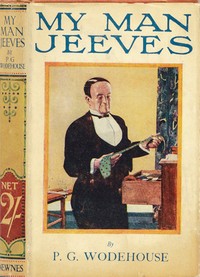
My Man Jeeves
About this book
More by P. G. (Pelham Grenville) Wodehouse
Browse all books by this authorExplore England Books
Discover more England literature
Click "Read now" to open in our Reader with AI features.
Community Discussions
Join the conversation about this book
Discussions
0 discussions
No discussions yet
Be the first to start a discussion about this book!
Sign up to start the discussionAI-Powered Insights
A clearer way to understand My Man Jeeves through themes, characters, and key ideas
This reading guide highlights what stands out in My Man Jeeves through 4 core themes, 3 character profiles. It is meant to help readers decide whether the book fits their taste and deepen the reading once they begin.
About this book
A quick AI guide to “My Man Jeeves”
Get the shape of the book before you commit: what it is about, what mood it carries, and what ideas readers tend to stay with afterward.
What the book is doing
P. G. Wodehouse's "My Man Jeeves" is a seminal collection of early 20th-century humorous short stories that introduces the iconic duo of the bumbling but well-meaning aristocrat Bertie Wooster and his extraordinarily intelligent valet, Jeeves. Set in the post-World War I era, the book masterfully blends witty dialogue, social satire, and farcical misunderstandings as Jeeves consistently extricates Bertie and his friends from various social predicaments, romantic entanglements, and financial woes. The stories, characterized by their lighthearted tone and intricate plots, establish Wodehouse's distinctive comedic style and the enduring charm of a world where problems are always solvable with a touch of ingenuity and a well-placed word from Jeeves. It's a delightful exploration of class dynamics, friendship, and the triumph of intellect over aristocratic ineptitude, offering pure escapist entertainment.
Key Themes
Intelligence vs. Stupidity
This theme is central to the Jeeves and Wooster dynamic, highlighting the stark contrast between Bertie's aristocratic ineptitude and Jeeves's profound intellect. Wodehouse uses this to create humor and subtly critique the British class system, where those in positions of power often lack the wisdom to navigate complex situations. Jeeves consistently outsmarts everyone, often without them even realizing it, demonstrating that true intelligence is not tied to social standing.
The Power of Language and Wit
Wodehouse is a master stylist, and the intricate, witty language is a major theme in itself. The stories are filled with elaborate metaphors, humorous circumlocutions, and sparkling dialogue that define the characters and drive the comedy. Bertie's unique narrative voice, with its blend of slang and formal expressions, is a key component. Jeeves's precise, often understated language, combined with his vast vocabulary, further exemplifies how language can be used for persuasion, manipulation, and the elegant resolution of complex problems.
“"Jeeves," I said, "you are a lifesaver. You may not be aware of it, but you are a lifesaver. Give me a large, strong brandy and soda."”
How does Wodehouse use the master-valet dynamic between Bertie and Jeeves to comment on social class and intelligence in early 20th-century England?
See chapter-by-chapter takeaways, deeper character arcs, and a fuller literary analysis built around this book.
Unlock full AI analysis for “My Man Jeeves”
Chapter breakdowns, character deep-dives, and thematic analysis — all in one place.
Reader Reviews
See what others are saying
Reviews
Overall Rating
Based on community ratings
No reviews yet
Be the first to review this book!
Readers Also Enjoyed
Discover more books similar to My Man Jeeves