
About this book
Reading guide
Themes, characters and key ideas in My Life in China and America, written by Chaptra AI.
- about 10 hours
- intermediate
- inspirational
- historical
- reflective
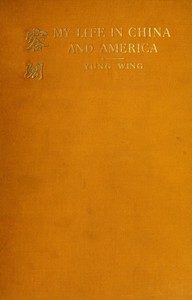
Yung Wing's "My Life in China and America" is a seminal memoir chronicling the extraordinary journey of the first Chinese student to graduate from a U.S. university. The narrative follows his early life in China, his pivotal education in America, and his lifelong dedication to modernizing his homeland through Western education and diplomatic efforts. It details his instrumental role in establishing the Chinese Educational Mission, a groundbreaking program that sent young Chinese students abroad for studies. More than a personal account, the book serves as a historical document, illuminating the complexities of cultural exchange, the challenges of reform in 19th-century China, and the enduring vision of a patriot striving for national betterment.
“My object in coming to America was to get an education, and I never lost sight of it.”
Key themes
- Cultural Exchange and Synthesis
- The memoir profoundly explores the idea of bridging Eastern and Western cultures. Yung Wing's life is a living embodiment of this theme, as he navigates his identity as 'a Chinese in spirit and an American in education.' He advocates for a synthesis, believing that China could benefit from adopting Western science, technology, and educational methods while retaining its core cultural values.
- Educational Reform and Modernization
- This is the central driving force of Yung Wing's life and the memoir. He firmly believes that Western-style education and the adoption of modern scientific and technological knowledge are essential for China's strength and prosperity. His entire career, particularly the Chinese Educational Mission, is dedicated to this cause.
- Patriotism and National Salvation
- Yung Wing's actions are consistently motivated by a deep love for China and a desire to see his homeland strong and independent. He views Western education not as an abandonment of his culture, but as a means to empower China to resist foreign encroachment and reclaim its rightful place in the world. His personal sacrifices and persistent efforts underscore this profound sense of national duty.
Worth discussing
How does Yung Wing's bicultural identity shape his vision for China's future, and what challenges does this identity present?
Chapter-by-chapter breakdowns, character arcs and the full thematic analysis come with a free account.
Discussions
No one has started one yet
Questions this book opens up
No discussions yet
Be the first to start a discussion about this book!
Sign up to start the discussionReviews
No reviews yet
Be the first to review this book!