
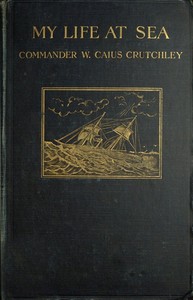
My Life at Sea: being a "yarn" loosely spun for the purpose of holding together certain reminiscences of the transition period from sail to steam in the British mercantile marine (1863-1894)
Written by William Caius Crutchley
Chaptra reads alongside you — AI insights, chapter breakdowns and reader discussions for every book. Join free
About this book
Reading guide
Themes, characters and key ideas in My Life at Sea: being a "yarn" loosely spun for the purpose of holding together certain reminiscences of the transition period from sail to steam in the British mercantile marine (1863-1894), written by Chaptra AI.
- about 10 hours
- intermediate
- adventurous
- reflective
- historical
William Caius Crutchley's "My Life at Sea" is an evocative autobiographical narrative chronicling his career in the British mercantile marine from 1863 to 1894, a pivotal era witnessing the global shift from sail to steam power. The memoir captures the adventurous spirit and demanding realities of a seaman's life, intertwining personal experiences with a broader historical account of maritime evolution. Crutchley recounts his youthful ambition sparked by the vessel "Figaro," his family's initial reluctance, and the influential figures who guided his entry into naval life. Through vivid anecdotes, he explores the unique culture, challenges, and camaraderie of sailors, offering a nostalgic reflection on a bygone era of exploration and technological change.
“"The lure of the sea, once it takes hold of a boy's heart, is a force not easily gainsaid by hearth and home."”
Key themes
- Transition from Sail to Steam
- This is the overarching theme, explored through Crutchley's direct experiences and observations. The memoir details the practical, cultural, and human impact of this technological shift on ships, sailors, and the mercantile marine as a whole. It covers the obsolescence of old skills, the rise of new ones, and the changing rhythms of life at sea.
- Coming of Age and Self-Discovery
- The memoir traces Crutchley's journey from an ambitious boy to a seasoned mariner. His experiences at sea, away from family and comfort, force him to develop resilience, resourcefulness, and a strong sense of self. The challenges of maritime life serve as a crucible for his personal growth.
- Man vs. Nature/The Sea
- A fundamental theme in maritime literature, Crutchley's memoir frequently highlights the raw power and unpredictability of the ocean. Sailors are constantly at the mercy of weather and currents, necessitating courage, skill, and respect for nature's forces. This theme explores humanity's place within the vastness of the natural world.
Worth discussing
How does Crutchley's personal narrative illuminate the broader historical and technological shift from sail to steam?
Chapter-by-chapter breakdowns, character arcs and the full thematic analysis come with a free account.
Discussions
No one has started one yet
Questions this book opens up
No discussions yet
Be the first to start a discussion about this book!
Sign up to start the discussionReviews
No reviews yet
Be the first to review this book!