
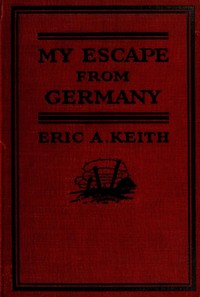
My Escape from Germany
Written by Eric A. Keith
Chaptra reads alongside you — AI insights, chapter breakdowns and reader discussions for every book. Join free
About this book
Reading guide
Themes, characters and key ideas in My Escape from Germany, written by Chaptra AI.
- about 8 hours
- intermediate
- harrowing
- determined
- introspective
Eric A. Keith's "My Escape from Germany" is a compelling early 20th-century memoir detailing his arduous experiences as a British civilian prisoner during World War I. The narrative immerses readers in Keith's relentless pursuit of freedom, chronicling multiple daring escape attempts from various German internment camps. Beginning immediately after a failed endeavor in Vreden, the book meticulously records his physical and psychological struggles, strategic planning, and the unwavering resilience of the human spirit amidst profound adversity. It offers a deeply personal insight into the harsh realities of wartime captivity, showcasing one man's indomitable will to reclaim his liberty against overwhelming odds.
“The bars were not merely iron; they were the physical manifestation of a stolen life, a life I was determined to reclaim.”
Key themes
- The Desire for Freedom
- This theme is the driving force behind Keith's entire narrative. It explores the inherent human yearning for liberty and autonomy, depicting freedom not just as a physical state but as a fundamental psychological and spiritual need. The book illustrates how the absence of freedom can be a profound torment and how its pursuit can inspire extraordinary acts of courage and endurance.
- Resilience of the Human Spirit
- This theme highlights the extraordinary capacity of individuals to endure immense suffering, overcome adversity, and maintain hope in the face of overwhelming odds. Keith's story is a testament to the power of the human spirit to adapt, persevere, and find strength even when confronted with extreme physical and psychological challenges.
- Strategic Thinking and Ingenuity
- Beyond mere endurance, the book emphasizes the intellectual and creative effort required for survival and escape. This theme explores how Keith employs keen observation, meticulous planning, problem-solving skills, and innovative thinking to navigate his dangerous circumstances and devise complex escape strategies.
Worth discussing
How does Keith's civilian status impact his experience and perspective compared to military POW narratives?
Chapter-by-chapter breakdowns, character arcs and the full thematic analysis come with a free account.
Discussions
No one has started one yet
Questions this book opens up
No discussions yet
Be the first to start a discussion about this book!
Sign up to start the discussionReviews
No reviews yet
Be the first to review this book!