
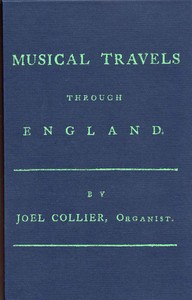
Musical Travels Through England
Written by George Veal
Chaptra reads alongside you — AI insights, chapter breakdowns and reader discussions for every book. Join free
About this book
Reading guide
Themes, characters and key ideas in Musical Travels Through England, written by Chaptra AI.
- about 8 hours
- intermediate
- humorous
- whimsical
- exploratory
Joel Collier's "Musical Travels Through England" is a delightful mid-18th century travelogue recounting the author's whimsical journey across England, adopting the persona of 'Collioni.' Through a series of humorous encounters and keen observations, the book explores the vibrant, often eccentric, musical and cultural landscape of the time, from Lincoln to Bristol. Collier uses his travels not only to entertain with anecdotal tales of musical mishaps and societal quirks but also to offer insightful commentary on 18th-century English life. Ultimately, the narrative serves as both a comedic adventure and a subtle advocacy for elevating national taste and appreciation for music.
“Quotes not available without access to the text. However, based on the description, key quotes would likely encapsulate humorous observations, witty social commentary, or reflections on the power and importance of music.”
Key themes
- The Power of Music
- The central theme, exploring how music shapes cultural identity, influences daily life, and reflects societal values. Collier demonstrates music's ability to transcend social boundaries, evoke emotions, and serve as a cornerstone of community and individual expression, despite varying levels of artistic sophistication.
- Cultural Observation and Social Commentary
- Collier's journey is a vehicle for keen observations on 18th-century English society, customs, and manners. Through 'Collioni,' the book provides a snapshot of the era, offering insights into regional differences, class distinctions, and the eccentricities of human behavior, often presented with a comedic and satirical edge.
- The Role of Humor and Satire
- Humor and satire are integral to Collier's writing style, serving not only to entertain but also to subtly critique and persuade. By presenting musical mishaps, eccentric characters, and social observations through a comedic lens, Collier makes his commentary more accessible and engaging, allowing him to advocate for improved artistic taste without being overtly preachy.
Worth discussing
How does Collier use humor and satire to convey his observations and critiques of 18th-century English society and musical taste?
Chapter-by-chapter breakdowns, character arcs and the full thematic analysis come with a free account.
Discussions
No one has started one yet
Questions this book opens up
No discussions yet
Be the first to start a discussion about this book!
Sign up to start the discussionReviews
No reviews yet
Be the first to review this book!