
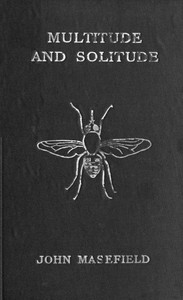
Multitude and Solitude
Written by John Masefield
Chaptra reads alongside you — AI insights, chapter breakdowns and reader discussions for every book. Join free
About this book
Reading guide
Themes, characters and key ideas in Multitude and Solitude, written by Chaptra AI.
- about 10 hours
- intermediate
- introspective
- melancholy
- critical
John Masefield's "Multitude and Solitude" is a poignant early 20th-century novel exploring the profound disillusionment of Roger Naldrett, a playwright facing the devastating failure of his artistic creation. The narrative opens with Roger's agonizing experience of watching his tragedy bomb on stage, setting a tone of introspective critique on the tension between individual creativity and collective reception. As Roger grapples with public disdain and his own conflicted feelings, the story delves into the harsh realities of artistic life, societal expectations, and the strain on personal relationships. Ultimately, the novel scrutinizes the artist's struggle for meaning and validation amidst a world often indifferent or hostile to genuine expression.
“The applause, when it came, was a courtesy, a dismissive rustle more than an affirmation of life.”
Key themes
- Artistic Failure and Public Reception
- This theme is central to the novel, exploring the devastating impact of public indifference and critical failure on an artist's psyche. It delves into the chasm between an artist's creative vision and the collective judgment of the 'multitude,' questioning the value of art in a society that often prioritizes commercial success over genuine expression.
- Disillusionment and Idealism
- The novel examines the painful process of disillusionment, as Roger Naldrett's idealistic hopes for his art are shattered by reality. It explores the psychological aftermath of shattered dreams and the challenge of maintaining one's ideals in the face of harsh, often indifferent, societal forces. This theme delves into the loss of innocence and the struggle to find meaning when one's grandest aspirations crumble.
- The Nature of Creativity and Artistic Identity
- Masefield probes the very essence of what it means to be a creator. Through Roger's internal monologues, the novel explores the motivations behind artistic expression, the personal sacrifices involved, and how an artist's identity becomes inextricably linked to their work. It questions whether art's value is intrinsic or derived solely from external validation.
Worth discussing
How does the novel portray the relationship between an artist's vision and the audience's reception? Is it inherently antagonistic?
Chapter-by-chapter breakdowns, character arcs and the full thematic analysis come with a free account.
Discussions
No one has started one yet
Questions this book opens up
No discussions yet
Be the first to start a discussion about this book!
Sign up to start the discussionReviews
No reviews yet
Be the first to review this book!