
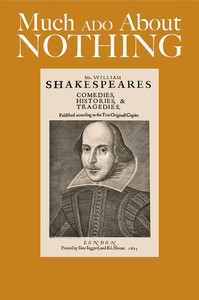
Much Ado about Nothing
Written by William Shakespeare
Chaptra reads alongside you — AI insights, chapter breakdowns and reader discussions for every book. Join free
About this book
Reading guide
Themes, characters and key ideas in Much Ado about Nothing, written by Chaptra AI.
- about 8 hours
- intermediate
- romantic
- humorous
- witty
William Shakespeare's "Much Ado about Nothing" is a vibrant romantic comedy set in Messina, Italy, intricately weaving together two contrasting love stories. The play masterfully portrays the "merry war" of wits between the fiercely independent Beatrice and the equally sharp-tongued Benedick, who initially disdain love but are tricked into confessing their affection. Simultaneously, it explores the more conventional, yet tragically jeopardized, romance between the impressionable Claudio and the virtuous Hero, whose wedding is nearly destroyed by malicious deception. Through a blend of sharp dialogue, dramatic irony, and a near-tragedy averted by bumbling watchmen, Shakespeare delves into profound themes of love, honor, reputation, and the often-misleading nature of appearances. The play ultimately celebrates the triumph of genuine affection and truth over deceit and misunderstanding, concluding with joyous double weddings.
“"I had rather hear my dog bark at a crow than a man swear he loves me."”
Key themes
- Love and Marriage
- The play explores different facets of love and the institution of marriage. It contrasts the witty, intellectual, and initially resistant love between Beatrice and Benedick with the more conventional, idealistic, yet fragile love of Claudio and Hero. It questions societal pressures to marry and the expectations within marriage.
- Deception and Appearance vs. Reality
- Deception is central to the plot, driving both the comedic and dramatic elements. Characters are frequently misled by what they see or hear, highlighting the dangers of relying solely on appearances and the ease with which truth can be manipulated. Both benevolent and malevolent deceptions are used.
- Honor and Reputation
- The play deeply explores the vital importance of honor and reputation, particularly for women, in Elizabethan society. A woman's honor, tied directly to her chastity, could be instantly destroyed by a false accusation, leading to social ruin and even death. Men's honor is also a concern, driving Claudio's actions.
Worth discussing
Compare and contrast the love stories of Beatrice and Benedick with those of Claudio and Hero. Which do you find more compelling or realistic, and why?
Chapter-by-chapter breakdowns, character arcs and the full thematic analysis come with a free account.
Discussions
No one has started one yet
Questions this book opens up
No discussions yet
Be the first to start a discussion about this book!
Sign up to start the discussionReviews
No reviews yet
Be the first to review this book!