
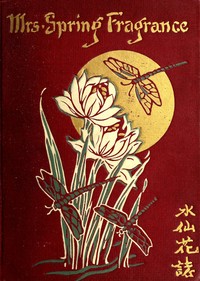
Mrs. Spring Fragrance
Written by Sui Sin Far
Chaptra reads alongside you — AI insights, chapter breakdowns and reader discussions for every book. Join free
About this book
Reading guide
Themes, characters and key ideas in Mrs. Spring Fragrance, written by Chaptra AI.
- about 10 hours
- intermediate
- thought-provoking
- poignant
- cultural
Sui Sin Far's "Mrs. Spring Fragrance" is a pioneering collection of short stories from the early 20th century, offering a tender and insightful look into the lives of Chinese immigrants in America. Through the observant and often witty titular character, Mrs. Spring Fragrance, the narratives explore the complex interplay of cultural identity, the challenges of assimilation, and the universal pursuit of love amidst changing traditions. The collection highlights the struggles and triumphs of Chinese individuals navigating a new land, balancing ancestral customs with American modernity, and fostering understanding between disparate worlds. It stands as a significant work in early Asian American literature, providing a nuanced counter-narrative to prevailing stereotypes of the era.
“"The heart, my dear, knows no country, only love."”
Key themes
- Cultural Identity and Assimilation
- This is the central theme, exploring how Chinese immigrants adapt to American life while retaining their heritage. The stories examine the varying degrees of assimilation, from Mrs. Spring Fragrance's successful blend of cultures to Mr. Spring Fragrance's more traditional stance, and the struggles of younger generations born between two worlds.
- Love, Marriage, and Familial Duty
- The collection frequently contrasts traditional Chinese concepts of arranged marriage and familial obligation with Western ideals of romantic love and individual choice. Characters often find themselves torn between their personal desires and their duty to family and cultural expectations.
- Prejudice and Stereotypes
- Sui Sin Far subtly yet powerfully addresses the prejudice and stereotypes faced by Chinese immigrants in early 20th-century America. Through her characters, she challenges prevailing caricatures by presenting complex, intelligent, and deeply human individuals, often highlighting the ignorance of the dominant culture.
Worth discussing
How does Mrs. Spring Fragrance embody both traditional Chinese values and modern American sensibilities? What does her character suggest about successful assimilation?
Chapter-by-chapter breakdowns, character arcs and the full thematic analysis come with a free account.
Discussions
No one has started one yet
Questions this book opens up
No discussions yet
Be the first to start a discussion about this book!
Sign up to start the discussionReviews
No reviews yet
Be the first to review this book!