
The AI reading companion for people who take books seriously
AI insights, chapter breakdowns, community discussions — all in one place.
Mpuke, Our Little African Cousin
About this book
More by Mary Hazelton Blanchard Wade
Browse all books by this authorExplore Africa Books
Discover more Africa literature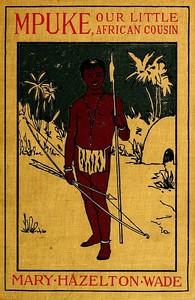
Click "Read now" to open in our Reader with AI features.
Community Discussions
Join the conversation about this book
Discussions
0 discussions
No discussions yet
Be the first to start a discussion about this book!
Sign up to start the discussionAI-Powered Insights
A clearer way to understand Mpuke, Our Little African Cousin through themes, characters, and key ideas
This reading guide highlights what stands out in Mpuke, Our Little African Cousin through 4 core themes, 4 character profiles. It is meant to help readers decide whether the book fits their taste and deepen the reading once they begin.
About this book
A quick AI guide to “Mpuke, Our Little African Cousin”
Get the shape of the book before you commit: what it is about, what mood it carries, and what ideas readers tend to stay with afterward.
What the book is doing
Mary Hazelton Blanchard Wade's "Mpuke, Our Little African Cousin" is an early 20th-century children's book designed to introduce young readers to African culture through the eyes of its protagonist, Mpuke. The narrative follows Mpuke's daily life, adventures, and learning experiences within his rural African village, focusing on essential skills like hunting and fishing, community festivities, and interactions with nature. It aims to foster cultural understanding and respect by highlighting the similarities and differences between cultures, promoting a positive portrayal of African life. Key themes include the importance of family, community, tradition, and the exploration of the natural world, all presented through a relatable young boy's perspective.
Key Themes
Family and Community
This theme explores the foundational role of family and the wider tribal community in shaping Mpuke's identity and providing support. The narrative emphasizes interdependence, shared responsibilities, and the sense of belonging derived from strong communal bonds.
Tradition and Heritage
The book delves into the significance of ancestral customs, rituals, and knowledge passed down through generations. Mpuke's education is largely centered around learning and upholding these traditions, which provide continuity, meaning, and a moral compass for his people.
“"The savanna held secrets, and Mpuke was eager to learn them all."”
How does the book attempt to promote understanding and respect between cultures? Is it successful from a modern perspective?
See chapter-by-chapter takeaways, deeper character arcs, and a fuller literary analysis built around this book.
Unlock full AI analysis for “Mpuke, Our Little African Cousin”
Chapter breakdowns, character deep-dives, and thematic analysis — all in one place.
Reader Reviews
See what others are saying
Reviews
Overall Rating
Based on community ratings
No reviews yet
Be the first to review this book!
Readers Also Enjoyed
Discover more books similar to Mpuke, Our Little African Cousin