
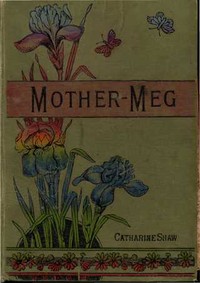
Mother-Meg; or, The Story of Dickie's Attic
Written by Catharine Shaw
Chaptra reads alongside you — AI insights, chapter breakdowns and reader discussions for every book. Join free
About this book
Reading guide
Themes, characters and key ideas in Mother-Meg; or, The Story of Dickie's Attic, written by Chaptra AI.
- about 8 hours
- intermediate
- Somber
- Uplifting
- Compassionate
Catharine Shaw's "Mother-Meg; or, The Story of Dickie's Attic" is a late 19th-century novel set against the stark backdrop of London's working class, exploring themes of poverty, compassion, and community support. The story centers on Meg, a newly married woman, whose inherent kindness compels her to address the dire circumstances of those around her, particularly the struggling family of a sickly boy named Dickie and his sister Cherry. Beginning on a bleak London day, the narrative quickly establishes the harsh realities faced by its characters, with Dickie's illness and his family's desperate search for sustenance highlighting the era's social injustices. Meg's burgeoning acts of charity form the emotional core, suggesting a journey where individual kindness blossoms into broader social engagement and hope amidst adversity.
“"The cold, raw breath of London bit deep, a cruel reminder of the city's indifference to its struggling souls."”
Key themes
- Poverty and Social Injustice
- The pervasive theme illustrating the harsh realities of late 19th-century urban poverty, including illness, lack of food, inadequate housing, and the systemic challenges faced by the working class. The novel exposes the indifference of society to the plight of the poor and highlights the devastating impact on families and children.
- Kindness and Charity
- This theme explores the transformative power of individual and collective acts of compassion. Meg's character embodies the moral imperative to extend kindness to those in need, showcasing how even small gestures can have a profound impact on the lives of the vulnerable. It examines the nature of true charity, moving beyond mere almsgiving to sustained support and genuine empathy.
- Resilience and Hope
- Despite the grim circumstances, the novel likely weaves in a thread of human resilience and the enduring nature of hope. This is seen in the characters' ability to endure hardship and in the transformative potential of external kindness. Hope, though fragile, becomes a vital force for survival and a catalyst for change.
Worth discussing
How does Shaw portray the realities of poverty in late 19th-century London, and what specific details contribute to this depiction?
Chapter-by-chapter breakdowns, character arcs and the full thematic analysis come with a free account.
Discussions
No one has started one yet
Questions this book opens up
No discussions yet
Be the first to start a discussion about this book!
Sign up to start the discussionReviews
No reviews yet
Be the first to review this book!