
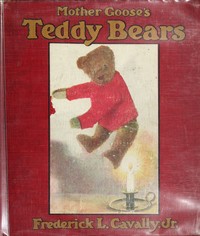
Mother Goose's Teddy Bears
Written by Frederick L. (Frederick Leopold) Cavally
Chaptra reads alongside you — AI insights, chapter breakdowns and reader discussions for every book. Join free
About this book
Reading guide
Themes, characters and key ideas in Mother Goose's Teddy Bears, written by Chaptra AI.
- about 2 hours
- beginner
- whimsical
- charming
- nostalgic
Mother Goose's Teddy Bears by Frederick L. Cavally is likely an early 20th-century children's book that reimagines classic Mother Goose nursery rhymes through the charming and then-popular motif of anthropomorphic teddy bears. Published during the height of the teddy bear craze, it would have presented familiar verses alongside delightful illustrations depicting bears acting out the roles of beloved characters from traditional folklore. The book serves primarily as an imaginative visual and lyrical introduction to traditional English rhymes for young readers, emphasizing the comfort, playfulness, and imaginative wonder associated with childhood and cherished stuffed animals. Its enduring appeal lies in this nostalgic blend of timeless rhymes with a contemporary beloved toy.
“Twinkle, twinkle, little star, How I wonder what you are.”
Key themes
- Childhood Innocence and Imagination
- The book celebrates the pure, unadulterated joy and wonder inherent in early childhood. The use of teddy bears personifies the imaginative play common in this stage of life, where toys become living characters in elaborate mental worlds. It fosters a sense of safety and wonder, inviting children to explore their own creative capacities through familiar rhymes and comforting imagery.
- The Power of Illustration in Children's Literature
- In a book without a complex narrative, the illustrations become paramount, acting as the primary storytelling mechanism. Cavally's artwork visually interprets the abstract or simple ideas of the rhymes, making them concrete, engaging, and accessible for children who are still developing their reading comprehension and vocabulary. The teddy bears add a distinctive layer of whimsy and accessibility, drawing young eyes into the pages.
- Tradition and Cultural Heritage
- The book serves as a vital vehicle for transmitting generations-old nursery rhymes, thereby preserving a significant part of English-speaking cultural heritage. It introduces children to a shared literary foundation that many will recognize throughout their lives, fostering a connection to the past and a sense of communal identity through shared stories and songs.
Worth discussing
How do illustrations enhance the experience of reading traditional nursery rhymes for young children?
Chapter-by-chapter breakdowns, character arcs and the full thematic analysis come with a free account.
Discussions
No one has started one yet
Questions this book opens up
No discussions yet
Be the first to start a discussion about this book!
Sign up to start the discussionReviews
No reviews yet
Be the first to review this book!