
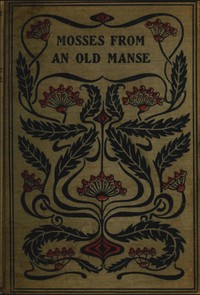
Mosses from an old manse
Written by Nathaniel Hawthorne
Chaptra reads alongside you — AI insights, chapter breakdowns and reader discussions for every book. Join free
About this book
Read it with a club
Chaptra's fiction clubs — small groups reading the same books and talking as they go.


CraxMe Readers Book Club
Fiction
- 385 members
- 227 discussions
- Started December 2025
Welcome to the Readers Book Club. This is an informal group for like-minded people, where you can discuss books, share and recommend, track your reading progress, and lots more. Discuss Books — all about books. Discuss a particular book or genre, share your favourite quotes. Book Reviews — loved a book and highly recommend it? Or was it just average? Share your review and discuss with fellow readers. (May contain spoilers.) Group Reads — what is a book club without a group read! Buddy Reads — planning to read a book and looking for someone to read it with? Post in the Buddy Read request thread, find a reading buddy, and start discussing.
Read Mosses from an old manse alongside people who are reading it too.
Also here: Doorstops, First Lines Club
Chaptra Prime — paid clubs, every club feature, and unlimited reading support, for $5 a month or $60 once.
See PrimeReading guide
Themes, characters and key ideas in Mosses from an old manse, written by Chaptra AI.
- about 10 hours
- intermediate
- reflective
- melancholy
- philosophical
Nathaniel Hawthorne's "Mosses from an Old Manse" is a contemplative collection of essays, sketches, and short stories, primarily written during his residence at the Old Manse in Concord, Massachusetts. The work serves as a window into Hawthorne's mind, exploring themes of nature, solitude, history, and the human condition through the lens of his immediate surroundings and vivid imagination. It blends autobiographical reflections with allegorical tales, showcasing his characteristic blend of realism and the fantastic. The collection captures the tranquil yet historically resonant atmosphere of the Old Manse, which becomes a character in itself, influencing the author's profound introspection on life, death, and the interplay between the spiritual and material worlds.
“"The Old Manse! We had not long been familiar with it, before we felt as if it had been built expressly for us, and we for it."”
Key themes
- Nature vs. Civilization
- Hawthorne frequently contrasts the wild, untamed beauty of nature with the constraints and corruptions of human society. The Old Manse's natural surroundings offer solace and inspiration, yet the wilderness also harbors dark, primeval forces (as seen in 'Young Goodman Brown'). This theme explores humanity's place within the natural order and the impact of progress and societal norms on the individual.
- The Burden of the Past
- The historical legacy of New England, particularly its Puritan heritage and the Revolutionary War, deeply permeates the collection. Hawthorne frequently reflects on how past events, sins, and beliefs continue to shape the present, influencing individuals and society. Characters often grapple with ancestral guilt or the weight of historical expectations.
- The Power and Peril of Imagination
- Hawthorne, as a writer, constantly explores the boundaries between reality and the imagined. His narrator often blurs these lines, suggesting that the imagination can reveal deeper truths or, conversely, lead to dangerous delusions and moral corruption. Many stories are allegorical, relying on the reader's imaginative engagement.
Worth discussing
How does the setting of the Old Manse influence Hawthorne's reflections and the themes explored in the collection?
Chapter-by-chapter breakdowns, character arcs and the full thematic analysis come with a free account.
Discussions
No one has started one yet
Questions this book opens up
No discussions yet
Be the first to start a discussion about this book!
Sign up to start the discussionReviews
No reviews yet
Be the first to review this book!