
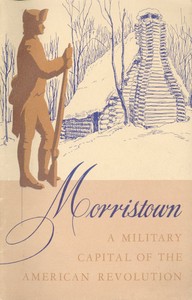
Morristown National Historical Park, a Military Capital of the American Revolution
Written by Melvin J. Weig
Chaptra reads alongside you — AI insights, chapter breakdowns and reader discussions for every book. Join free
About this book
Reading guide
Themes, characters and key ideas in Morristown National Historical Park, a Military Capital of the American Revolution, written by Chaptra AI.
- about 6 hours
- intermediate
- historical
- somber
- resilient
Melvin J. Weig's "Morristown National Historical Park, a Military Capital of the American Revolution," co-authored with Vera B. Craig, is a mid-20th century historical handbook detailing Morristown, New Jersey's pivotal role during the American Revolution. The book meticulously chronicles the Continental Army's harsh winter encampments under George Washington in 1777 and 1779-80, establishing Morristown as a crucial military capital. It vividly portrays the immense logistical challenges, severe privations endured by soldiers at Jockey Hollow, and Washington's exemplary leadership amidst adversity. Beyond specific events, the text examines the broader strategic implications of these encampments, including recruitment efforts, military planning, and the impact of international alliances like that with France, providing a foundational understanding of a critical period in America's struggle for independence.
“"The winter of 1779-80 proved to be the severest of the century, pushing the Continental Army to the brink of collapse at Morristown."”
Key themes
- Resilience and Endurance
- This theme is central to the book, exploring the extraordinary capacity of the Continental Army soldiers to endure unimaginable hardships—extreme cold, starvation, disease, and lack of proper shelter and clothing—during the Morristown winters. It highlights their unwavering spirit in the face of near-total collapse.
- Leadership and Strategic Acumen
- The book examines George Washington's critical role in leading the Continental Army through its darkest hours at Morristown. It showcases his strategic thinking, his ability to maintain morale and discipline, and his efforts to secure vital resources and political support, all essential for the survival of the revolutionary cause.
- Logistical Challenges of Warfare
- This theme underscores the immense practical difficulties of sustaining a large army during wartime, particularly in harsh winter conditions. It details the constant struggle for food, clothing, shelter, and medical supplies, highlighting how these logistical failures profoundly impacted soldier welfare and military effectiveness.
Worth discussing
How did Morristown's geographical location contribute to its strategic importance during the American Revolution?
Chapter-by-chapter breakdowns, character arcs and the full thematic analysis come with a free account.
Discussions
No one has started one yet
Questions this book opens up
No discussions yet
Be the first to start a discussion about this book!
Sign up to start the discussionReviews
No reviews yet
Be the first to review this book!