
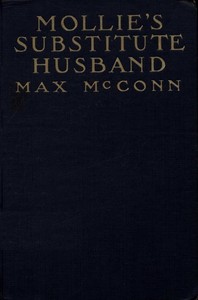
Mollie's Substitute Husband
Written by Max McConn
Chaptra reads alongside you — AI insights, chapter breakdowns and reader discussions for every book. Join free
About this book
Reading guide
Themes, characters and key ideas in Mollie's Substitute Husband, written by Chaptra AI.
- about 8 hours
- intermediate
- romantic
- humorous
- intriguing
Max McConn's "Mollie's Substitute Husband" plunges John Merriam, a naive high school principal from rural Riceville, into the sophisticated political and romantic intrigues of early 20th-century Chicago. A chance reunion with his former student, the enchanting Mollie June, now married to Senator George Norman, catapults Merriam into a complex plot. He finds himself entangled with political reformers aiming to sway the Senator on a crucial ordinance, all while navigating his rekindled affections for Mollie and grappling with the moral dilemmas of deception. The novel explores themes of love, ambition, justice, and the transformative power of urban life on an innocent outsider.
“"Chicago, it seemed, had a way of turning a quiet man's world inside out, like a well-worn glove."”
Key themes
- Deception and Identity
- The novel prominently explores how individuals construct and perform identities, particularly through the central conceit of John Merriam acting as Mollie's 'substitute husband.' This deception forces characters to adopt new roles, blurring the lines between their true selves and the facades they present to the world. It examines the psychological toll of living a lie and the moral compromises inherent in such a situation.
- Love, Ambition, and Compromise
- The narrative delves into the complex interplay between personal affection, professional aspirations, and the compromises individuals make to achieve their goals. Merriam's love for Mollie June clashes with his moral principles and the political ambition of the reformers. Mollie herself likely embodies the compromises made for social standing or political influence, highlighting the difficult choices people face when love and ambition diverge.
- Urban vs. Rural Values and Transformation
- The stark contrast between John Merriam's mundane life in Riceville and the whirlwind of intrigue in Chicago is a central thematic element. Riceville represents innocence, simplicity, and perhaps provincialism, while Chicago symbolizes sophistication, opportunity, moral ambiguity, and the transformative power of the metropolis. Merriam's journey highlights the impact of a new environment on an individual's worldview and character.
Worth discussing
How does John Merriam's transformation from a naive principal to an involved participant in Chicago's intrigues reflect broader themes of urban versus rural life in early 20th-century America?
Chapter-by-chapter breakdowns, character arcs and the full thematic analysis come with a free account.
Discussions
No one has started one yet
Questions this book opens up
No discussions yet
Be the first to start a discussion about this book!
Sign up to start the discussionReviews
No reviews yet
Be the first to review this book!