
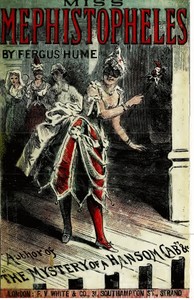
Miss Mephistopheles: A Novel: (Sequel to Madame Midas.)
Written by Fergus Hume
Chaptra reads alongside you — AI insights, chapter breakdowns and reader discussions for every book. Join free
About this book
Reading guide
Themes, characters and key ideas in Miss Mephistopheles: A Novel: (Sequel to Madame Midas.), written by Chaptra AI.
- about 8 hours
- intermediate
- mysterious
- dramatic
- social commentary
Fergus Hume's "Miss Mephistopheles" is a late 19th-century novel set in the bustling, often dreary, city of Melbourne, Australia. It continues the saga from "Madame Midas," immersing readers in the intersecting lives of aspiring writer Keith Stewart, cynical journalist Ezra Lazarus, and the enigmatic actress known as Caprice. The narrative begins with a fateful encounter where Keith heroically saves Caprice's child, drawing him into her captivating and potentially dangerous orbit within the city's vibrant yet morally ambiguous theatre scene. The story delves into themes of ambition, love, social facades, and the darker undercurrents of urban life, as characters navigate personal struggles and societal complexities. It explores the allure and peril of a woman embodying the 'Mephistophelean' archetype, challenging conventional morality and perceptions.
“"Melbourne, on such a night, seemed less a city than a vast, weeping monument to forgotten dreams."”
Key themes
- Ambition and Its Costs
- The novel explores various forms of ambition, from Keith's literary aspirations to Caprice's theatrical fame and perhaps other characters' pursuit of wealth or power. It delves into the sacrifices, moral compromises, and personal toll that ambition can demand, especially in a competitive urban environment.
- Love, Obsession, and Temptation
- The narrative explores the powerful, often dangerous, nature of romantic attraction, particularly Keith's developing feelings for Caprice. The 'Mephistopheles' title suggests temptation and a potentially destructive form of love or obsession, where moral boundaries are tested.
- Appearance vs. Reality
- This theme is central, particularly with Caprice, whose stage persona and public image likely mask a complex, perhaps darker, private reality. It also applies to the social facades presented by other characters and the city itself, where glamour often conceals poverty or moral decay.
Worth discussing
How does the setting of late 19th-century Melbourne influence the characters' ambitions and opportunities?
Chapter-by-chapter breakdowns, character arcs and the full thematic analysis come with a free account.
Discussions
No one has started one yet
Questions this book opens up
No discussions yet
Be the first to start a discussion about this book!
Sign up to start the discussionReviews
No reviews yet
Be the first to review this book!