
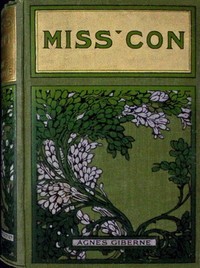
Miss Con
Written by Agnes Giberne
Chaptra reads alongside you — AI insights, chapter breakdowns and reader discussions for every book. Join free
About this book
Reading guide
Themes, characters and key ideas in Miss Con, written by Chaptra AI.
- about 9 hours
- intermediate
- reflective
- earnest
- self-discovery
Agnes Giberne's "Miss Con" introduces Constance Conway, a young woman embarking on a challenging new life as a governess and companion to the Romilly family. Grappling with her brother-in-law Craven's dismissive view of her abilities and her own self-doubt, Constance accepts the position out of duty and a sense of responsibility towards the motherless Romilly girls. The novel traces her journey of self-discovery and the forging of her independence, set against the backdrop of Victorian societal expectations for women. It explores the internal conflicts of a young woman striving to prove her worth and establish her identity amidst the demands of her new role and the complexities of family life.
“"It is not my capabilities, Craven, but my courage that is in question. And perhaps, that is the greater challenge."”
Key themes
- Self-Discovery and Independence
- Central to Constance's journey is her transformation from an insecure young woman to one who understands and trusts her own capabilities. The novel portrays independence not merely as financial autonomy but as an internal state of self-reliance and confidence, achieved through facing challenges and proving one's worth.
- Duty and Responsibility
- The novel deeply explores the concept of duty, particularly as it applies to young women in the Victorian era. Constance's initial acceptance of the governess position is driven by a sense of duty towards Mrs. Romilly and the children, despite her personal fears. The theme examines how duty can be a burden but also a path to purpose and self-discovery.
- Social Roles of Women
- The novel provides a keen insight into the limited, yet crucial, roles available to women in late 19th-century society. The governess position itself is a prime example of an 'acceptable' profession for educated but unmarried or unpropertied women. The theme highlights the societal pressures, expectations, and often restrictive views placed upon women.
Worth discussing
How does Constance's internal conflict regarding her capabilities reflect broader societal expectations for women in the late 19th century?
Chapter-by-chapter breakdowns, character arcs and the full thematic analysis come with a free account.
Discussions
No one has started one yet
Questions this book opens up
No discussions yet
Be the first to start a discussion about this book!
Sign up to start the discussionReviews
No reviews yet
Be the first to review this book!