
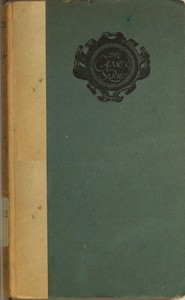
Mirèio, a Provençal Poem
Written by Frédéric Mistral
Chaptra reads alongside you — AI insights, chapter breakdowns and reader discussions for every book. Join free
About this book
Reading guide
Themes, characters and key ideas in Mirèio, a Provençal Poem, written by Chaptra AI.
- about 12 hours
- advanced
- Romantic
- Pastoral
- Tragic
Frédéric Mistral's 'Mirèio, a Provençal Poem' is a lyrical pastoral epic written in the mid-19th century, serving as a vibrant celebration of Provençal culture and language. Set in the picturesque landscapes of La Crau, the poem narrates the tragic love story between Mirèio, a beautiful farmer's daughter, and Vincen, a humble basket-weaver. Their budding romance is soon challenged by the rigid social hierarchies and traditions of rural life, leading Mirèio on a desperate pilgrimage. Through vivid descriptions of nature, local customs, and the Provençal dialect, Mistral not only crafts a poignant tale of love and loss but also immortalizes the spirit and heritage of his beloved region.
“"In the plains of La Crau, where the sun holds sway, / A maiden bloomed, fairer than the brightest day."”
Key themes
- Love and Social Class
- The central conflict of 'Mirèio' revolves around the pure and passionate love between Mirèio and Vincen being thwarted by the rigid social hierarchies of 19th-century rural Provence. Mirèio's father, Maître Ramon, represents the entrenched belief that wealth and status are paramount for marriage, overriding true affection. The poem explores the tragic consequences when personal happiness clashes with societal expectations and economic disparities.
- Provençal Identity and Cultural Preservation
- 'Mirèio' is a foundational text for the Félibrige movement, a literary and cultural revival of the Provençal language and heritage. Mistral consciously wrote the poem in the Provençal dialect to elevate and preserve it, filling the narrative with local folklore, customs, songs, and historical references. The poem acts as a cultural touchstone, celebrating the unique spirit and traditions of Provence.
- Nature and Rural Life
- Mistral deeply embeds his narrative within the Provençal landscape, making nature a pervasive and powerful force. The poem celebrates the beauty, rhythms, and traditions of rural life, from agricultural practices to local customs. Nature is not merely a backdrop but an active participant, reflecting characters' moods, influencing their journeys, and often symbolizing purity, hardship, and the cycle of life and death.
Worth discussing
How does Mistral use the Provençal landscape and natural elements to reflect or foreshadow the characters' emotions and fates?
Chapter-by-chapter breakdowns, character arcs and the full thematic analysis come with a free account.
Discussions
No one has started one yet
Questions this book opens up
No discussions yet
Be the first to start a discussion about this book!
Sign up to start the discussionReviews
No reviews yet
Be the first to review this book!