
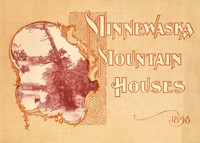
About this book
Reading guide
Themes, characters and key ideas in Minnewaska Mountain Houses, written by Chaptra AI.
- about 12 hours
- intermediate
- nostalgic
- melancholic
- evocative
"Minnewaska Mountain Houses" is an evocative historical novel that chronicles the rise and fall of the grand resort hotels nestled in the breathtaking Minnewaska region of the Shawangunk Mountains. Spanning from the late 19th century through the mid-20th century, the narrative weaves together the lives of the visionary entrepreneurs who built these opulent retreats, the diverse staff who kept them running, and the myriad guests seeking escape and solace. It explores themes of ambition, the allure of nature, the transient nature of human endeavors, and the profound impact of time and societal change on both architectural marvels and personal destinies. The book offers a poignant reflection on an era of Gilded Age splendor and its inevitable decline.
“"The mountain held its breath, a silent witness to the grand folly of human ambition, knowing all too well that even granite weathers."”
Key themes
- Impermanence and Legacy
- This theme explores the transient nature of human creations and ambitions against the backdrop of eternal nature. The grand mountain houses, once symbols of enduring luxury, inevitably succumb to time and change, prompting reflection on what truly lasts and what legacy individuals and societies leave behind. It questions the meaning of building something magnificent only for it to eventually decay or be destroyed.
- Nature vs. Human Enterprise
- The novel critically examines the relationship between humanity's desire to conquer, tame, and profit from nature, and nature's inherent power and resilience. The building of the mountain houses represents a triumph of human will and engineering over the wilderness, yet the narrative constantly reminds us of nature's ultimate dominance and indifference to human endeavors, as well as its capacity to inspire and heal.
- Nostalgia and the Idealized Past
- The novel explores the human tendency to romanticize the past, particularly periods of perceived grandeur or simplicity. It delves into the bittersweet longing for a bygone era, examining both the authentic beauty and the inherent flaws of the Gilded Age and the early 20th century. This theme highlights how memory shapes our understanding of history and personal experience.
Worth discussing
How does the Minnewaska landscape function as a character in the novel, and what is its symbolic significance?
Chapter-by-chapter breakdowns, character arcs and the full thematic analysis come with a free account.
Discussions
No one has started one yet
Questions this book opens up
No discussions yet
Be the first to start a discussion about this book!
Sign up to start the discussionReviews
No reviews yet
Be the first to review this book!