
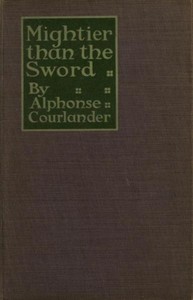
Mightier than the Sword
Written by Alphonse Courlander
Chaptra reads alongside you — AI insights, chapter breakdowns and reader discussions for every book. Join free
About this book
Reading guide
Themes, characters and key ideas in Mightier than the Sword, written by Chaptra AI.
- about 8 hours
- intermediate
- Realistic
- Gritty
- Ambitious
Alphonse Courlander's "Mightier than the Sword" is an early 20th-century novel that plunges into the demanding world of journalism in London's Fleet Street. The story begins with Mr. Tommy Pride, a seasoned newspaper journalist, navigating the frantic pace of his profession, rushing through the city after a high-profile event. The narrative promises to explore the complexities, ambitions, and harsh realities faced by reporters during a transformative period in England's history. Through Pride's experiences and interactions with colleagues, the novel contrasts the romanticized view of journalism with its gritty, competitive demands, setting the stage for a deep dive into professional life and personal struggles.
Key themes
- The Nature of Journalism
- The novel deeply explores the profession of journalism in early 20th-century London, focusing on the daily grind, the pressures of deadlines, the pursuit of stories, and the competitive environment of Fleet Street. It delves into the practicalities of a reporter's life, contrasting the public perception with the often unseen realities.
- Ambition vs. Reality
- This theme examines the aspirations and drive of individuals within a demanding profession, juxtaposing their initial ideals and ambitions with the often harsh, mundane, and precarious realities they encounter. It explores the psychological toll and the compromises made in the pursuit of success.
- Urban Life and Professional Identity
- The novel uses the vibrant, bustling backdrop of early 20th-century London, specifically Fleet Street, to explore how the urban environment shapes professional identity and personal experience. It highlights the interconnectedness of city life, work, and individual character.
Worth discussing
How does the novel portray the realities of journalism compared to its romanticized image, both then and now?
Chapter-by-chapter breakdowns, character arcs and the full thematic analysis come with a free account.
Discussions
No one has started one yet
Questions this book opens up
No discussions yet
Be the first to start a discussion about this book!
Sign up to start the discussionReviews
No reviews yet
Be the first to review this book!