
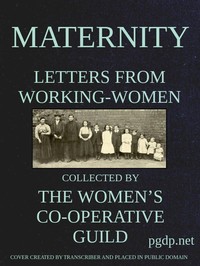
Maternity: Letters from Working-Women
Written by Unknown author
Chaptra reads alongside you — AI insights, chapter breakdowns and reader discussions for every book. Join free
About this book
Reading guide
Themes, characters and key ideas in Maternity: Letters from Working-Women, written by Chaptra AI.
- about 10 hours
- advanced
- somber
- revealing
- poignant
“Maternity: Letters from Working-Women” is a powerful and poignant collection of real letters written by working-class women in early 20th-century Britain, detailing their experiences with pregnancy, childbirth, child-rearing, and the relentless struggle against poverty. Published in 1915 by the Women's Co-operative Guild and edited by Margaret Llewelyn Davies, the book serves as a raw, unfiltered exposé of the dire social and economic conditions faced by mothers before the advent of the welfare state. It meticulously documents the physical and emotional toll of frequent pregnancies, inadequate healthcare, insufficient nutrition, and the pervasive fear of infant mortality, presenting a collective plea for social reform and greater support for families.
“I have had 10 children and buried 7, and I am only 39. My husband earns 18s a week when in full work, but he is often ill.”
Key themes
- Poverty and Economic Hardship
- This is the central theme, underpinning nearly every letter. The women's narratives vividly illustrate the devastating impact of low wages, precarious employment, and the high cost of living on family life. Poverty dictates their diet, housing, access to healthcare, and the sheer number of children they can realistically support, often leading to malnutrition and illness for both mother and child.
- Maternal and Infant Health
- The letters provide a stark picture of maternal and infant mortality rates in early 20th-century Britain. Women recount frequent, often unassisted, home births, the lack of prenatal and postnatal care, and the devastating loss of multiple children to preventable diseases. This theme highlights the direct link between poverty, poor nutrition, unsanitary conditions, and the tragic toll on mothers' bodies and their children's lives.
- Gender Roles and Expectations
- The book illuminates the rigid gender roles prevalent at the time, where women were primarily responsible for domestic labor, child-rearing, and managing the household budget, often with minimal resources. It shows how women's lives were defined by their reproductive capacity and their roles as wives and mothers, with little opportunity for personal fulfillment outside these spheres. The letters also reveal the emotional and physical burden placed solely on women for the well-being of the family.
Worth discussing
How does the collective voice of these letters challenge or confirm your understanding of early 20th-century British society?
Chapter-by-chapter breakdowns, character arcs and the full thematic analysis come with a free account.
Discussions
No one has started one yet
Questions this book opens up
No discussions yet
Be the first to start a discussion about this book!
Sign up to start the discussionReviews
No reviews yet
Be the first to review this book!