
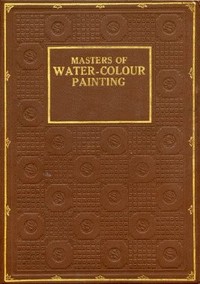
Masters of Water-Colour Painting
Written by Unknown author
Chaptra reads alongside you — AI insights, chapter breakdowns and reader discussions for every book. Join free
About this book
Reading guide
Themes, characters and key ideas in Masters of Water-Colour Painting, written by Chaptra AI.
- about 12 hours
- intermediate
- Informative
- Appreciative
- Historical
Masters of Water-Colour Painting is a comprehensive historical and critical survey of watercolour as an artistic medium, tracing its evolution from utilitarian applications to its establishment as a respected fine art form. The book likely presents a chronological and thematic exploration of key periods, influential artists, and significant stylistic and technical innovations that shaped the medium. It serves as an invaluable resource for art historians, students, and enthusiasts, offering insights into the diverse approaches and enduring appeal of watercolour across centuries and cultures. The analysis delves into the aesthetic principles, technical challenges, and cultural contexts that defined the 'masters' of this often underestimated art form.
“The essence of watercolour lies in its transparency, allowing light to penetrate the pigments and reflect from the paper, granting it a unique luminosity.”
Key themes
- The Evolution of Watercolour as a Fine Art Medium
- This theme explores how watercolour transitioned from a functional medium (for preparatory sketches, scientific illustrations, or manuscript illumination) to a respected and independent form of artistic expression. The book chronicles the artists, techniques, and cultural shifts that contributed to this elevation, particularly focusing on its 'Golden Age' and subsequent modern developments.
- Technical Innovation and Mastery
- The book meticulously details the various techniques, materials, and approaches employed by master watercolourists. It highlights how artists experimented with pigments, paper, brushes, and application methods (e.g., washes, glazes, dry brush, lifting) to achieve specific effects, pushing the boundaries of what was thought possible with the medium. This theme underscores the skill and ingenuity required to master watercolour's inherent challenges, such as its unforgiving nature and the difficulty of correction.
- Nature, Landscape, and the Sublime
- Many of the 'masters' of watercolour, particularly during the 18th and 19th centuries, found the medium exceptionally suited for capturing the transient beauty and overwhelming power of the natural world. This theme explores how watercolour was used to depict landscapes, seascapes, and atmospheric phenomena, often evoking feelings of awe, wonder, and the sublime. Its quick-drying nature made it ideal for outdoor sketching and capturing fleeting moments of light and weather.
Worth discussing
How did the technical properties of watercolour influence the artistic styles of the 'masters' discussed in the book?
Chapter-by-chapter breakdowns, character arcs and the full thematic analysis come with a free account.
Discussions
No one has started one yet
Questions this book opens up
No discussions yet
Be the first to start a discussion about this book!
Sign up to start the discussionReviews
No reviews yet
Be the first to review this book!