
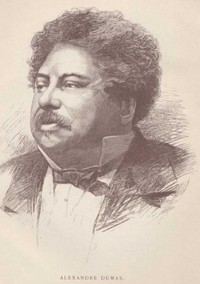
Massacres of the South (1551-1815): Celebrated Crimes
Written by Alexandre Dumas
Chaptra reads alongside you — AI insights, chapter breakdowns and reader discussions for every book. Join free
About this book
Reading guide
Themes, characters and key ideas in Massacres of the South (1551-1815): Celebrated Crimes, written by Chaptra AI.
- about 8 hours
- intermediate
- dark
- historical
- dramatic
Alexandre Dumas's "Massacres of the South" offers a stark historical examination of the brutal religious conflicts between Catholics and Protestants in southern France, specifically focusing on the city of Nîmes, from 1551 to 1815. Published around the early 20th century, this account delves into the widespread bloodshed and chaos that defined this turbulent period, detailing the severe persecution inflicted upon heretics. Dumas vividly portrays Nîmes's transformation from a Catholic stronghold to a Protestant center, highlighting the societal consequences and the profound impact of faith, authority, and rebellion. The narrative introduces key figures like Maurice Secenat and Guillaume Moget, whose martyrdoms significantly shaped the religious landscape and symbolize the fervent fanaticism of the era.
“The south of France, a land of ancient sun and fervent faith, became a crucible where the fires of dogma forged a legacy of blood.”
Key themes
- Religious Fanaticism and Persecution
- This is the central theme, exploring how deeply held religious beliefs, when pushed to extremes, lead to widespread violence, intolerance, and systematic persecution. Dumas details the brutalities inflicted by both Catholic and Protestant factions, though the focus is on Protestant suffering.
- Power and Authority
- The theme examines how political and religious institutions wielded immense power, dictating faith, punishing dissent, and controlling societal structures. It explores the struggle for dominance between the monarchy, the Catholic Church, and emerging Protestant forces.
- Rebellion and Resistance
- This theme focuses on the defiance of the persecuted, particularly the Protestant communities, against oppressive religious and political authorities. It illustrates how acts of individual courage and collective solidarity fueled a sustained resistance movement.
Worth discussing
How does Dumas's narrative style shape our understanding of historical events, particularly tragedies?
Chapter-by-chapter breakdowns, character arcs and the full thematic analysis come with a free account.
Discussions
No one has started one yet
Questions this book opens up
No discussions yet
Be the first to start a discussion about this book!
Sign up to start the discussionReviews
No reviews yet
Be the first to review this book!