
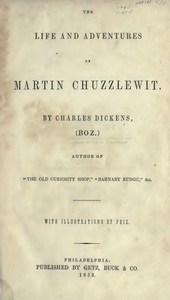
Martin Chuzzlewit
Written by Charles Dickens
Chaptra reads alongside you — AI insights, chapter breakdowns and reader discussions for every book. Join free
About this book
Reading guide
Themes, characters and key ideas in Martin Chuzzlewit, written by Chaptra AI.
- about 30 hours
- advanced
- satirical
- dark
- humorous
Charles Dickens's "Martin Chuzzlewit" is a sprawling 19th-century novel that masterfully dissects the pervasive vice of avarice and its corrosive impact on family and society. The narrative follows young Martin Chuzzlewit as he navigates a world populated by manipulative relatives, most notably his hypocritical architect uncle, Seth Pecksniff, and his seemingly capricious grandfather, Old Martin. Through a journey that takes him from the moral swamps of England to the literal swamps of a fraudulent American settlement called 'Eden,' Martin learns harsh lessons about self-interest, betrayal, and the true meaning of generosity. Ultimately, the novel culminates in the exposure of deceit, the redemption of its protagonist, and a powerful affirmation of virtue over vice, all rendered with Dickens's signature blend of satire, humor, and social critique.
“"It is a world of disappointment: often to the hopes of others, and still oftener to our own."”
Key themes
- Avarice and Greed
- The central theme of the novel, exploring how the desire for wealth corrupts individuals and destroys familial bonds. Almost every character's motivation is initially driven by the pursuit of Old Martin's inheritance, exposing the pervasive nature of greed in society.
- Hypocrisy and Selfishness
- Dickens masterfully exposes the pervasive hypocrisy of characters who feign virtue while acting solely out of self-interest. Seth Pecksniff is the embodiment of this theme, constantly preaching morality while engaging in deceit and exploitation.
- Redemption and Moral Growth
- The novel charts the significant moral transformation of its protagonist, young Martin Chuzzlewit, from a proud and selfish youth to a compassionate and empathetic man. His journey emphasizes the possibility of change and the importance of self-awareness.
Worth discussing
How does Dickens use satire and caricature to critique societal flaws, particularly avarice and hypocrisy, in 'Martin Chuzzlewit'?
Chapter-by-chapter breakdowns, character arcs and the full thematic analysis come with a free account.
Discussions
No one has started one yet
Questions this book opens up
No discussions yet
Be the first to start a discussion about this book!
Sign up to start the discussionReviews
No reviews yet
Be the first to review this book!