
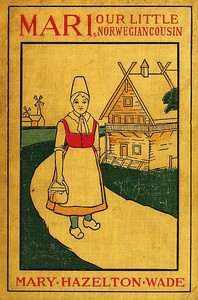
Mari, Our Little Norwegian Cousin
Written by Mary Hazelton Blanchard Wade
Chaptra reads alongside you — AI insights, chapter breakdowns and reader discussions for every book. Join free
About this book
Reading guide
Themes, characters and key ideas in Mari, Our Little Norwegian Cousin, written by Chaptra AI.
- about 4 hours
- beginner
- uplifting
- wholesome
- educational
Mari, Our Little Norwegian Cousin is an early 20th-century children's novel by Mary Hazelton Blanchard Wade, part of the 'Little Cousin Series' designed to introduce young readers to diverse cultures. The story centers on Mari, a young Norwegian girl, as she navigates daily life on her family's serene farm, learning essential life skills and embracing her cultural heritage. Through her experiences, such as feeding chickens and preparing traditional flat-bread, the narrative emphasizes the values of obedience, hard work, and familial bonds. Rich descriptions of Norway's landscape and cultural practices provide an immersive backdrop for Mari's journey of growth and discovery, offering a warm and educational glimpse into rural Norwegian childhood.
“Every stroke of her small hands, guided by her mother's patient wisdom, was a step closer to becoming a true Norwegian daughter.”
Key themes
- Cultural Identity and Heritage
- This theme explores how Mari learns and internalizes her Norwegian identity through daily practices, language, customs, and connection to her homeland. The book highlights the beauty and value of specific cultural traditions, from food preparation to seasonal celebrations, as integral to personal and community identity.
- Family Values and Obedience
- The narrative strongly emphasizes the importance of family bonds, mutual support, and the value of obedience within the family structure. Mari's interactions with her parents consistently reinforce the idea that respect for elders and adherence to family rules are essential for personal growth and harmonious living.
- Hard Work and Self-Sufficiency
- The book highlights the dignity of labor and the necessity of hard work in rural life. Mari's daily chores, from feeding chickens to preparing food, teach her the value of contributing to the household and developing practical skills for self-sufficiency. This theme underscores the rewards of effort and the satisfaction derived from productive labor.
Worth discussing
How does Mari's daily life compare to the daily life of children today? What are the biggest differences and similarities?
Chapter-by-chapter breakdowns, character arcs and the full thematic analysis come with a free account.
Discussions
No one has started one yet
Questions this book opens up
No discussions yet
Be the first to start a discussion about this book!
Sign up to start the discussionReviews
No reviews yet
Be the first to review this book!