
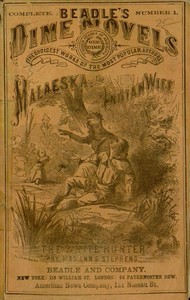
Malaeska: The Indian Wife of the White Hunter
Written by Ann S. (Ann Sophia) Stephens
Chaptra reads alongside you — AI insights, chapter breakdowns and reader discussions for every book. Join free
About this book
Reading guide
Themes, characters and key ideas in Malaeska: The Indian Wife of the White Hunter, written by Chaptra AI.
- about 8 hours
- intermediate
- tragic
- melancholic
- dramatic
Ann S. Stephens' "Malaeska: The Indian Wife of the White Hunter" is a seminal 19th-century dime novel that explores the tragic romance between a Native American woman, Malaeska, and a white frontiersman, Charles Stafford. Set against the backdrop of the Catskill Mountains, the story delves into themes of cultural conflict, racial prejudice, and the struggle for identity as Malaeska attempts to bridge two disparate worlds. Her journey is fraught with societal rejection, personal sacrifice, and profound sorrow, culminating in a poignant commentary on the doomed prospects of interracial relationships in early America. The novel, significant for its popularity and its contribution to the 'Indian romance' genre, ultimately critiques the harsh realities faced by indigenous peoples and mixed-race individuals during westward expansion.
“"Her heart, true to its wild instincts, clung with a tenacity that nothing but death could overcome, to the white man who had won its first pure affections."”
Key themes
- Cultural Conflict and Prejudice
- The central theme, exploring the violent and emotional clash between white settler society and Native American culture. The novel highlights the deep-seated prejudice and inability of white society to accept or integrate indigenous peoples, forcing assimilation or outright rejection.
- Identity and Belonging
- Malaeska's struggle to define herself in a world that denies her a place. She is torn between her indigenous roots and her love for a white man, ultimately finding herself belonging fully to neither. Her children, especially Rosina, face a similar crisis, albeit one they are unaware of, highlighting the devastating impact of forced identity concealment.
- The Tragedy of the 'Half-Breed'
- A prominent trope in 19th-century American literature, this theme explores the tragic fate often ascribed to individuals of mixed race. Malaeska and her children are portrayed as inherently doomed to suffering, isolation, or self-destruction due to their mixed heritage, reflecting societal anxieties and prejudices.
Worth discussing
How does 'Malaeska' reflect and challenge the prevailing attitudes towards Native Americans in 19th-century America?
Chapter-by-chapter breakdowns, character arcs and the full thematic analysis come with a free account.
Discussions
No one has started one yet
Questions this book opens up
No discussions yet
Be the first to start a discussion about this book!
Sign up to start the discussionReviews
No reviews yet
Be the first to review this book!