
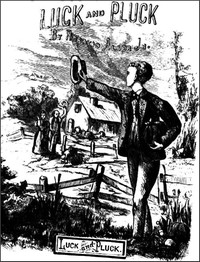
Luck and Pluck; or, John Oakley's Inheritance
Written by Horatio Alger
Chaptra reads alongside you — AI insights, chapter breakdowns and reader discussions for every book. Join free
About this book
Reading guide
Themes, characters and key ideas in Luck and Pluck; or, John Oakley's Inheritance, written by Chaptra AI.
- about 7 hours
- beginner
- uplifting
- moralistic
- adventurous
Luck and Pluck; or, John Oakley's Inheritance by Horatio Alger Jr. is a quintessential late 19th-century moralistic novel following the trials of young John Oakley. Orphaned and left in the care of his unjust stepmother and her favored son, Ben Brayton, John faces systemic mistreatment and attempts to disinherit him. The narrative begins with a direct conflict over a cherished horse, immediately establishing John's struggle against his stepfamily's greed and favoritism. As John navigates his precarious situation, he embodies perseverance, honesty, and courage, striving to assert his rights and uphold his integrity. The story charts his journey through adversity, demonstrating how hard work and moral fortitude ultimately lead to the restoration of his rightful inheritance and standing.
“It is pluck, not luck, that makes a man.”
Key themes
- Perseverance and Self-Reliance
- This theme is central to Alger's work, emphasizing that continuous effort, courage (pluck), and independence are crucial for overcoming obstacles and achieving success. John Oakley consistently demonstrates these qualities in the face of adversity, refusing to give up despite his unjust circumstances.
- Good vs. Evil / Moral Rectitude
- Alger's novels typically present a clear moral dichotomy, with virtuous protagonists pitted against wicked antagonists. This theme highlights the rewards of honesty, kindness, and integrity, and the inevitable downfall of greed, deceit, and idleness. John Oakley embodies good, while his stepfamily represents evil.
- Justice and Fairness
- The novel deeply explores the concept of justice, particularly regarding rightful inheritance and fair treatment. John is unjustly deprived, and a significant part of the plot involves the struggle to restore what is rightfully his, culminating in the triumph of justice over manipulation and greed.
Worth discussing
How does John Oakley embody the 'American Dream' of the late 19th century, and how does his story challenge or reinforce it?
Chapter-by-chapter breakdowns, character arcs and the full thematic analysis come with a free account.
Discussions
No one has started one yet
Questions this book opens up
No discussions yet
Be the first to start a discussion about this book!
Sign up to start the discussionReviews
No reviews yet
Be the first to review this book!