
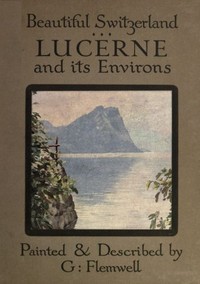
Lucerne
Written by G. (George) Flemwell
Chaptra reads alongside you — AI insights, chapter breakdowns and reader discussions for every book. Join free
About this book
Reading guide
Themes, characters and key ideas in Lucerne, written by Chaptra AI.
- about 7 hours
- intermediate
- picturesque
- historical
- reflective
G. Flemwell's "Lucerne" is an early 20th-century travelogue that vividly portrays the picturesque Swiss city of Lucerne and its breathtaking surroundings. The book serves as an evocative guide, detailing the region's lush spring landscapes, iconic landmarks such as the Chapel Bridge and Lion Monument, and its rich cultural tapestry. Flemwell masterfully blends descriptive prose with historical insights and local legends, including the tale of William Tell. Ultimately, it offers readers an immersive journey into the heart of central Switzerland, highlighting Lucerne's dual charm of modern development and historical depth, and its significance to Swiss identity.
“Lucerne, a gem cradled between lake and mountains, offers an introduction to the very soul of Switzerland.”
Key themes
- The Beauty of Nature and Landscape
- A core theme is the profound aesthetic and spiritual impact of Lucerne's natural surroundings. Flemwell dedicates extensive passages to describing the unparalleled beauty of Lake Lucerne and the majestic Swiss Alps, particularly the Rigi and Mount Pilatus, presenting nature as both a source of awe and a defining characteristic of the region.
- Historical Significance and National Identity
- Flemwell meticulously highlights Lucerne's deep historical roots and its crucial role in the formation of Swiss identity and independence. The book intertwines the city's landmarks with narratives of past events, particularly emphasizing the legends of William Tell and the spirit of Swiss freedom, thereby connecting the physical landscape to a proud national heritage.
- The Allure of Travel and Discovery
- The book fundamentally champions the joy and enrichment derived from travel, presenting Lucerne as an ideal destination for discovery. Flemwell's narrative encourages readers to explore not just the physical beauty but also the historical and cultural layers of a place, fostering a sense of wonder and connection to the world.
Worth discussing
How does Flemwell's early 20th-century perspective shape his portrayal of Lucerne compared to contemporary travel guides?
Chapter-by-chapter breakdowns, character arcs and the full thematic analysis come with a free account.
Discussions
No one has started one yet
Questions this book opens up
No discussions yet
Be the first to start a discussion about this book!
Sign up to start the discussionReviews
No reviews yet
Be the first to review this book!