
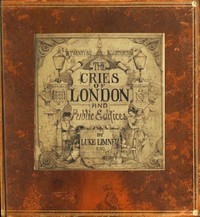
London Cries & Public Edifices
Written by John Leighton
Chaptra reads alongside you — AI insights, chapter breakdowns and reader discussions for every book. Join free
About this book
Reading guide
Themes, characters and key ideas in London Cries & Public Edifices, written by Chaptra AI.
- about 10 hours
- intermediate
- informative
- historical
- nostalgic
London Cries & Public Edifices by John Leighton (under the pseudonym Luke Limner) is an invaluable illustrated historical account offering a vivid snapshot of London in the mid-19th century. It meticulously documents the city's architectural grandeur through iconic public buildings like the Tower of London and Westminster Abbey, alongside the bustling, ephemeral world of its street vendors. The book serves as a unique blend of visual art and descriptive text, capturing the social and cultural dynamics of the era. Through its dual focus, it creates a rich tapestry that preserves the sights and sounds of a rapidly evolving capital, providing profound insights into the daily lives of its inhabitants and the enduring legacy of its structures. Limner's work is both a historical record and an artistic homage, engaging readers with London's heritage.
“"The enduring stones of London's great edifices stand silent witness to the ceaseless, vibrant current of human life that ebbs and flows around their ancient bases."”
Key themes
- Urban Life and Change
- The book meticulously documents the multifaceted nature of urban existence in 19th-century London, capturing both its grandeur and its gritty reality. It highlights the constant flux of city life, from the ever-present street vendors adapting to economic demands to the enduring presence of historic buildings witnessing centuries of change. This theme explores how London functions as a living entity, constantly evolving yet retaining core elements of its identity.
- Social Class and Economy
- The book implicitly and explicitly explores the social stratification and economic dynamics of Victorian London. By contrasting the monumental public buildings, symbols of state power and wealth, with the humble street vendors, it draws attention to the vast disparities in society. The 'cries' themselves are a testament to the informal economy and the ingenuity of the working class in securing a livelihood.
- Architectural Heritage and Legacy
- A significant aspect of the book is its detailed homage to London's architectural heritage. It not only illustrates iconic public buildings but also implicitly discusses their historical significance, artistic merit, and their role as symbols of national identity and enduring legacy. The book highlights how these structures shape the city's character and serve as constant markers in a changing urban landscape.
Worth discussing
How does the juxtaposition of public edifices and street cries enhance our understanding of 19th-century London's social structure and daily life?
Chapter-by-chapter breakdowns, character arcs and the full thematic analysis come with a free account.
Discussions
No one has started one yet
Questions this book opens up
No discussions yet
Be the first to start a discussion about this book!
Sign up to start the discussionReviews
No reviews yet
Be the first to review this book!