
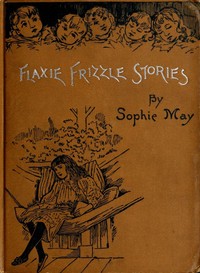
Little Pitchers: Flaxie Frizzle Stories
Written by Sophie May
Chaptra reads alongside you — AI insights, chapter breakdowns and reader discussions for every book. Join free
About this book
Reading guide
Themes, characters and key ideas in Little Pitchers: Flaxie Frizzle Stories, written by Chaptra AI.
- about 6 hours
- beginner
- uplifting
- humorous
- nostalgic
Sophie May's "Little Pitchers: Flaxie Frizzle Stories" is a charming late 19th-century children's novel chronicling the early childhood adventures of four-year-old twins, Pollio and Posy Pitcher. Set in the idyllic town of Rosewood, the story highlights their contrasting personalities—Pollio, the homely and comical twin, and Posy, the beautiful and sweet-natured one—as they navigate daily life with innocent curiosity and playful mischief. The narrative beautifully captures the loving family dynamics and serves as a gentle exploration of childhood, instilling lessons of obedience, kindness, and the joys of imagination. It offers a nostalgic glimpse into a simpler era, focusing on the heartwarming interactions and moral development of its young protagonists.
“"Pollio, dear, remember that even the smallest kindness can make a big difference, like a tiny drop filling a little pitcher."”
Key themes
- Innocence and Childhood
- This theme explores the pure, unadulterated state of early childhood, characterized by boundless imagination, curiosity, and a lack of guile. The twins' adventures, their understanding (or misunderstanding) of the world, and their playful mischief are all expressions of this innocent stage of life, which the book cherishes and portrays as a precious, fleeting period.
- Familial Bonds and Affection
- The loving and supportive relationship within the Pitcher family forms the bedrock of the narrative. The interactions between the twins, and especially between the children and their parents, highlight the importance of a strong, affectionate family unit as a source of comfort, guidance, and moral education. This theme emphasizes the home as a sanctuary and the primary sphere of influence for young children.
- Moral Development and Obedience
- A central theme is the gradual process by which young children learn right from wrong, and the importance of obedience and kindness. Each episode often presents a small moral lesson, demonstrating the consequences of disobedience or thoughtlessness, and the rewards of good behavior. The book gently guides readers (and the characters) towards understanding ethical conduct.
Worth discussing
How do Pollio and Posy's contrasting personalities contribute to the humor and lessons in the stories?
Chapter-by-chapter breakdowns, character arcs and the full thematic analysis come with a free account.
Discussions
No one has started one yet
Questions this book opens up
No discussions yet
Be the first to start a discussion about this book!
Sign up to start the discussionReviews
No reviews yet
Be the first to review this book!