
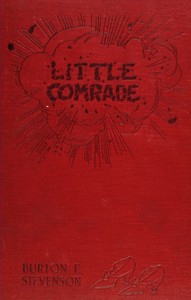
Little comrade: a tale of the great war
Written by Burton Egbert Stevenson
Chaptra reads alongside you — AI insights, chapter breakdowns and reader discussions for every book. Join free
About this book
Reading guide
Themes, characters and key ideas in Little comrade: a tale of the great war, written by Chaptra AI.
- about 8 hours
- intermediate
- tense
- suspenseful
- dramatic
Burton Egbert Stevenson's "Little Comrade: A Tale of the Great War" plunges readers into the tense atmosphere of Europe just before World War I, seen through the eyes of American surgeon Dr. Bradford Stewart. Initially a detached observer, Stewart finds himself drawn into the escalating conflict when his German colleague, Hermann Bloem, reveals the imminent outbreak of war and expresses profound fears about Germany's militaristic culture. The narrative quickly shifts from a contemplation of geopolitical tensions to a personal thriller, as Stewart becomes entangled with a mysterious Frenchwoman seeking his aid to escape the burgeoning chaos. This early 20th-century historical novel skillfully blends elements of suspense, romance, and moral dilemma against the cataclysmic backdrop of one of history's deadliest conflicts, exploring themes of loyalty, the individual's role in global events, and the devastating consequences of militarism.
“"The air in Europe is thick with the scent of gunpowder, Bradford. It is a smell I fear, for it promises a harvest of sorrow."”
Key themes
- The Horrors and Folly of War
- The novel vividly portrays the immediate consequences and pervasive dread of impending war. Through character dialogue and unfolding events, it critiques the militaristic culture that leads to conflict, highlighting the immense human cost and the destruction of peace and individual lives. It shows war not as glorious, but as a tragic inevitability driven by nationalistic fervor.
- Loyalty vs. Humanity
- This theme explores the tension between allegiance to one's nation or cause and a broader sense of human compassion and moral obligation. Dr. Stewart, as an American, initially represents a neutral stance, but is forced to choose between remaining detached or acting on his humanitarian instincts. Bloem's character also embodies this conflict, torn between his national identity and his intellectual's disdain for militarism.
- Love and Sacrifice in Wartime
- The burgeoning relationship between Dr. Stewart and the mysterious Frenchwoman illustrates how love can blossom amidst chaos and how war often demands profound personal sacrifices. Their connection adds a romantic dimension to the suspense, highlighting the vulnerability of personal happiness in the face of global conflict and the courage required to protect loved ones.
Worth discussing
How does Stevenson use the character of Dr. Bradford Stewart to explore the concept of neutrality in times of global conflict?
Chapter-by-chapter breakdowns, character arcs and the full thematic analysis come with a free account.
Discussions
No one has started one yet
Questions this book opens up
No discussions yet
Be the first to start a discussion about this book!
Sign up to start the discussionReviews
No reviews yet
Be the first to review this book!